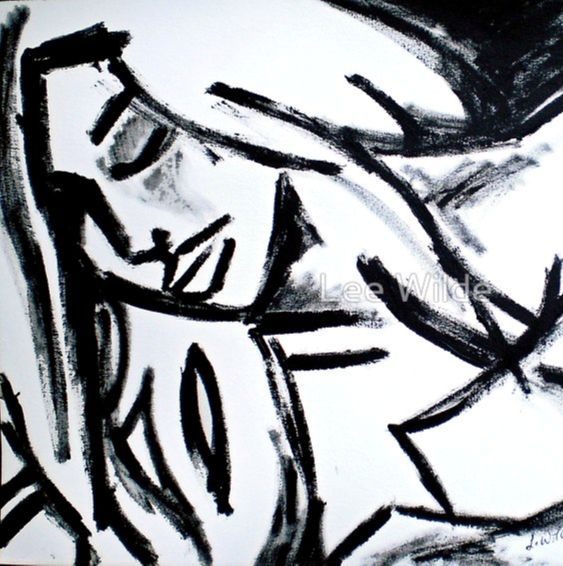

Some rooms hum with energy; others whisper. The difference often lies in what hangs on the walls. Figurative wall art for elevating space and atmosphere isn’t just about aesthetics—it’s about emotional architecture. A single drawing, placed with intention, can soften harsh light, slow time, and invite reflection. In this post, I explore how figurative compositions—rooted in posture, gesture, and tone—transform interiors into sanctuaries of mood and meaning.
The Emotional Temperature of a Room
Every space carries a mood. Figurative wall art can amplify or temper that mood, acting as a kind of emotional thermostat. Drawings rich in graphite and shadow offer a cooling effect—inviting stillness, introspection, and calm. In contrast, expressive gestures or bold silhouettes may energize or provoke. Choosing the right piece means asking: What do I want this room to feel like?
The National Gallery of Victoria explores how figurative works influence spatial experience, especially in contemporary interiors.
Placement as Poetic Gesture
Where a piece hangs matters as much as what it depicts. A drawing placed opposite a window may catch changing light, echoing the passage of time. Hung in a hallway, it can offer a moment of pause between destinations. In bedrooms or studios, figurative art becomes a companion—quiet, reflective, and grounding.
Consider the way Tate Modern curates its spaces: placement is never arbitrary. It’s a dialogue between artwork and architecture, between viewer and mood. In your own home, think of placement as a poetic gesture—an invitation to feel, not just to see.

Tone, Texture, and the Breath of Stillness
Graphite, charcoal, and conté carry a tactile softness that digital prints often lack. Their textures absorb light rather than reflect it, creating depth and intimacy. This tonal subtlety is key to elevating atmosphere. It’s not about visual noise—it’s about quiet resonance.
When I choose figurative wall art for a room, I look for tonal harmony. Does the posture echo the softness of the curtains? The grain of the floorboards? The hush of early morning light? These questions guide me toward pieces that don’t just match a space—they deepen it.
Creating Reflective Interiors
Elevating atmosphere isn’t about perfection—it’s about presence. A room with thoughtfully chosen figurative art becomes a place where memory lingers, where emotion finds form. It’s not about trends or palettes—it’s about creating a space that feels lived in, loved, and quietly profound.
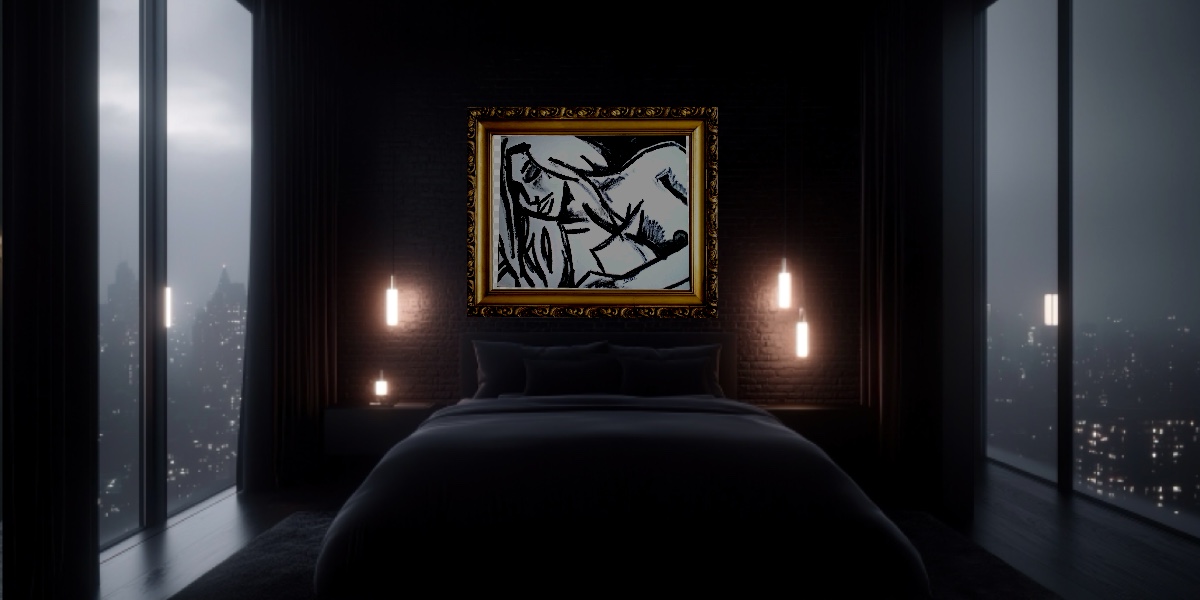
Whether you’re curating a gallery wall or placing a single drawing above a desk, let your choices reflect your emotional landscape. Figurative wall art is not just for looking—it’s for living with.
Figurative wall art has the power to transform not just how a room looks, but how it feels. When chosen with care, it becomes a quiet companion—softening light, deepening mood, and inviting reflection. If you’re drawn to pieces that elevate space and atmosphere, explore the collection or reflect on what your walls might be asking for. Sometimes, the right artwork doesn’t just fill a space—it completes it.