
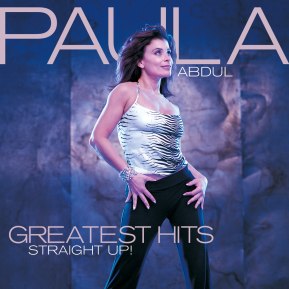
Released at the height of the late 1980s pop explosion, Paula Abdul's Straight Up remains as visually compelling as it is musically infectious. Its monochromatic palette, dramatic lighting and industrial elegance offer surprising inspiration for modern apartment living. Here's how I would translate the video's timeless aesthetic into a contemporary interior, complete with art recommendations to help capture the look.
Sonic Noir
A convergence of music and visual culture, shaped by rhythm, shadow, and the emotional architecture of sound.
Sonic Noir is a collection of essays exploring the intersection of music, art, design, psychology, and culture. From iconic songs and groundbreaking artists to the emotional and visual worlds they create, these articles reveal how music influences creativity, inspires artistic expression, and reflects the shared experiences that define us.
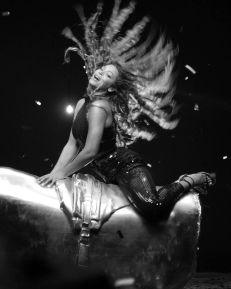
Beyoncé’s Suga Mama transforms industrial grit into sensual rhythm. Shot in black and white, the video turns steel, rope, and motion into a choreography of power — a monochrome palette that feels tactile and cinematic. This piece explores how that visual language translates into interior design: concrete softened by velvet, chrome warmed by timber, and movement expressed through sculptural furniture. It’s Sonic Noir reimagined for space — where texture, contrast, and confidence become the design itself.

Sonic Noir explores the emotional charge of black‑and‑white music videos — where RnB lyrics, shadowed light, and slow‑burn beats merge into a single atmospheric language that shapes mood, memory, and visual art.
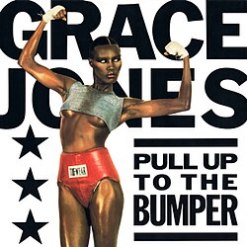
Grace Jones didn’t just perform “Pull Up to the Bumper” — she detonated it. A track built on groove, innuendo, and fearless self‑possession, it remains one of the most iconic intersections of music, art, and attitude.

I’ve always found solace in RnB’s warm textures and intimate storytelling. In this post, I explore the mental health benefits of RnB music—how its gentle rhythms ease tension, its lyrics invite catharsis, and its melodies guide us back to ourselves.

Michael Jackson’s Scream, featuring Janet Jackson, is a visceral protest wrapped in futuristic elegance. The black-and-white video amplifies the song’s emotional tension, transforming sibling synergy into a cinematic scream against injustice.
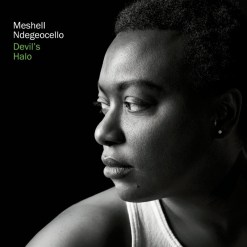
Meshell Ndegeocello’s Love You Down turns a pop classic into a sultry meditation on time, intimacy, and slow-burning desire.
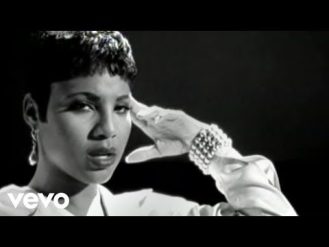
Toni Braxton’s Another Sad Love Song and its black and white video feel like a visual poem—one that echoes my own love for grayscale emotion and the quiet ache of memory.

The Bold Elegance of Paco Rabanne’s 1 Million & Lady Million Campaign There’s something undeniably captivating about the 1 Million & Lady Million advertising campaign...
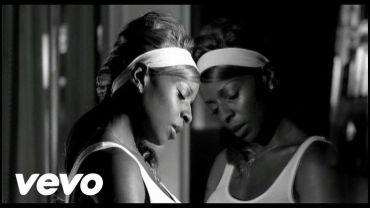
Be Without You by Mary J. Blige channels the quiet intensity of grayscale devotion. With gospel-inflected vocals and cinematic restraint, the song unfolds as a study in emotional endurance—where vulnerability becomes strength, and loyalty carries the weight of time. This post traces its lyrical nuance, visual tone, and enduring resonance.

Ne-Yo’s “Go On Girl” is a poignant R&B ballad that explores heartbreak and resilience with emotional depth and lyrical finesse.
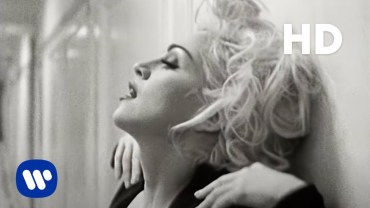
Madonna’s Justify My Love—a whispered tale of desire, control, and cultural defiance that reshaped pop music and erotic expression.

I explore the magnetic pull of Chaka Khan’s “Ain’t Nobody”—from its unforgettable synth-bass hook to the black-and-white video that elevated music video into fine art.
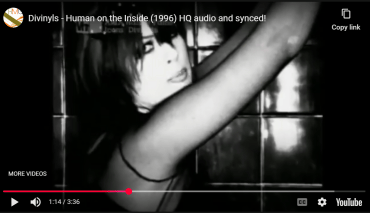
Stark black-and-white visuals amplify Chrissy Amphlett's raw performance, creating an intimate portrait of emotional vulnerability and human resilience.
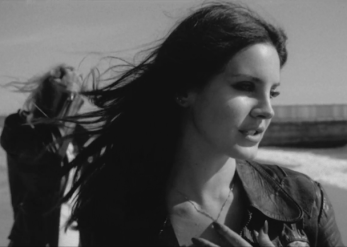
Lana Del Rey’s “West Coast” blends hypnotic tempo shifts, sultry vocals, and noir-inspired visuals into a dreamy ode to love and longing.