

The first time I saw Michael Jackson’s Scream, I felt like I’d entered a sterile dreamscape pulsing with rage. Released in 1995, the song and its accompanying short film marked the first artistic collaboration between Michael and Janet Jackson. It was a declaration. Against media intrusion, against distortion, against the pressure to remain silent. And it was delivered with choreography so precise it felt like a weapon.
A Spacecraft of Isolation and Defiance
Set aboard a sleek, monochrome spaceship, the video isolates the siblings from Earth’s chaos. The sterile environment becomes a metaphor for emotional detachment—an artificial refuge from the noise. The Zen garden, the zero-gravity antics, the stark corridors: each set piece underscores the alienation Michael felt amid tabloid scrutiny.
Tom Foden’s set design for Scream shapes a world of emotional architecture—clinical, vast, and unyielding. The spacecraft-like interiors evoke a sense of estrangement, as if the siblings are suspended in a realm where gravity itself resists connection. Each of the 13 constructed environments functions like a psychological chamber, amplifying themes of surveillance, pressure, and internal revolt. The cold surfaces and rigid geometry heighten the tension, framing Janet and Michael’s movements as acts of precision within constraint. Foden’s design transforms the set into a visual echo of the song’s emotional core, where every wall reflects the struggle for autonomy, and every corridor becomes a passage through grief, fury, and resilience.
Lyrics That Cut Through the Static
From the opening line—“I’m tired of the injustice”—Michael’s voice is raw, almost desperate. The lyrics are a direct response to the media frenzy surrounding him in the early ’90s. Janet echoes his frustration, her delivery sharp and unflinching. The chorus—“Stop pressurin’ me / Make me wanna scream”—isn’t metaphorical. It’s a cry for autonomy, for dignity, for silence in a world that won’t stop shouting.
Sibling Synergy as Resistance
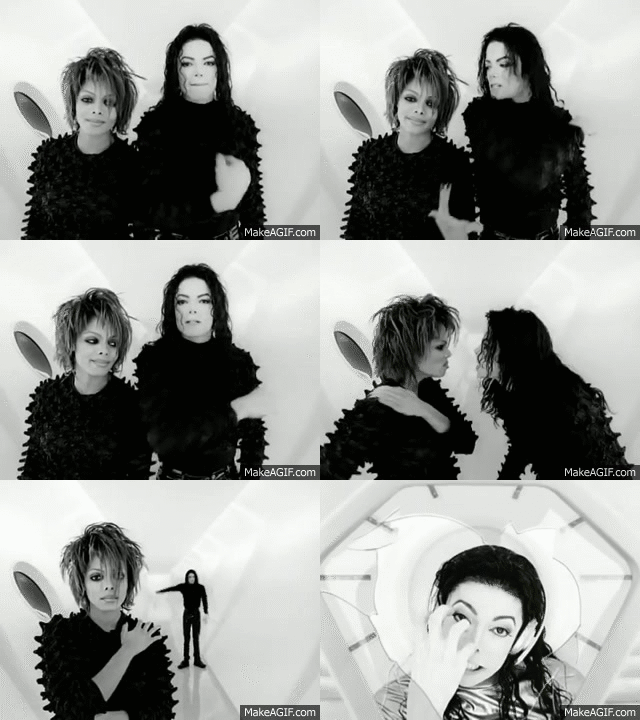 Michael Jackson and sister Janet on the set of Scream music video
Janet’s presence isn’t just familial—it’s grounding. Together, they reclaim space, both literal and symbolic. Janet’s presence carries intention and weight. Her calm intensity steadies the emotional charge of his volatility, creating a dynamic tension that feels both deliberate and instinctive. Their mirrored movements evoke a choreography of connection: two bodies in sync, yet never collapsing into sameness. There’s a quiet power in their symmetry, a visual language that speaks of shared history and individual agency.
The performance becomes a dialogue, not just between siblings, but between forces—restraint and eruption, reflection and rawness.
In a world that sought to fragment and isolate Michael, their collaboration reasserts kinship, resilience, and shared defiance. Janet’s presence doesn’t erase his pain; it amplifies the dignity with which he carries it. Together, they reclaim space—emotional, cultural, familial. The scream they share is layered: grief, protest, memory, survival. It’s a moment where art transcends entertainment, becoming testimony. Their unity resists erasure, offering instead a portrait of strength forged in intimacy and mutual recognition.
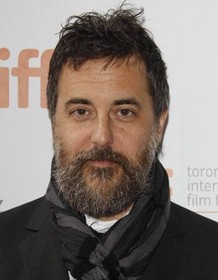 Mark Romenak, Director
The Most Expensive Music Video Ever Made
Directed by Mark Romanek, Scream reportedly cost $7 million to produce, earning a Guinness World Record. But the expense wasn’t about excess—it was about control. Every frame is meticulously designed. The choreography is tight, the lighting clinical, the camera angles aggressive. Romanek described Michael’s transformation during filming as “metaphysical,” a glimpse into something beyond performance. The video won three MTV VMAs and a Grammy, but its true legacy is emotional: it gave Michael a voice when words failed.
Scream remains one of the most emotionally charged and visually arresting music videos of the 1990s. It’s a protest, a performance, and a portrait of two siblings refusing to be silenced. Watching it now, the tension still crackles. The scream still echoes. And the spacecraft still floats—untethered, defiant, alone.
Further Reading:
- Sonic Noir: A Convergence of Music, Art and Human Experience
- Music Inspired Art
- Another Sad Love Song and the Art of Melancholy
- Be Without You: Mary J. Blige’s Anthem of Love and Devotion
- Chaka Khan and the Timeless Groove of Ain’t Nobody
- Go On Girl – Ne-Yo’s Heartfelt Ballad of Love and Loss
- Grace Jones: The Provocative Pulse of “Pull Up to the Bumper”
- Human on the Inside: Echoes of Longing in a Hardened Age
- Justify My Love: The Meaning Behind Madonna’s Erotic Anthem