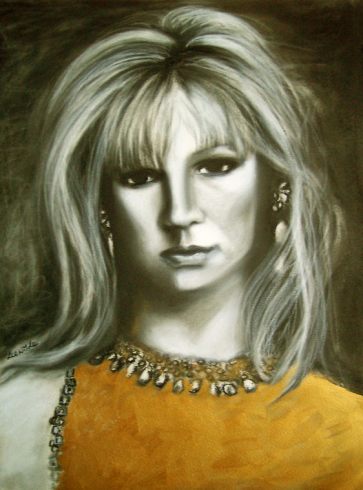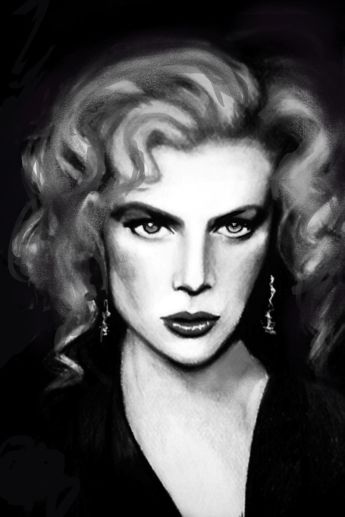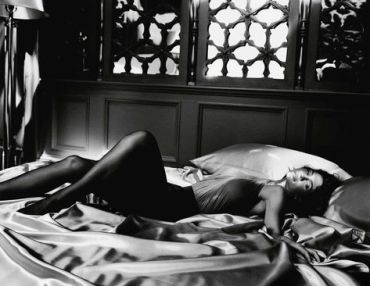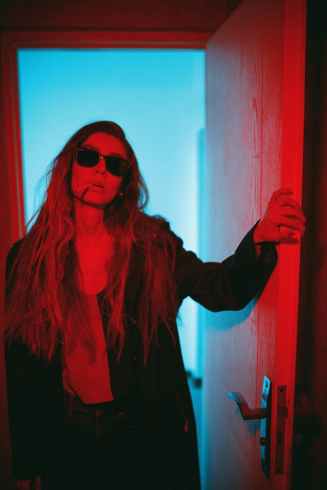
Neo‑noir portraiture speaks in shadow, silence, and tension. This guide explores the visual grammar that defines the Wilde Noir aesthetic.
Neo Noir Portraiture
Neo Noir distills the evolution of shadow, mood, and emotional realism in contemporary figurative art, uniting portraits, interiors, and visual studies shaped by cinematic tension and monochrome depth.
A portrait turns noir the moment light becomes deliberate cutting, withholding, shaping emotion through contrast and shadow. It’s atmosphere as authorship.
A cinematic portrait is more than a style — it’s a feeling. When people search for what makes a portrait cinematic, they’re really asking why certain images feel like stills from a larger story. The answer lives in emotional temperature, intentional light, and the quiet tension between moments.
Neo Noir Art has become one of the most emotionally resonant forces in contemporary interior design. Through shadow, contrast, and psychological depth, it changes the way a room feels and behaves. This post explores how Neo Noir Art interacts with space and why its atmospheric presence aligns so naturally with modern interiors.
Deco Noir is reshaping contemporary design with its fusion of Art Deco glamour and Film Noir mood. In 2026, designers are embracing its shadows, geometry, and cinematic emotional depth to create interiors that feel sophisticated, intimate, and timeless.
Neo‑noir portraiture speaks in shadow, silence, and tension. This guide explores the visual grammar that defines the Wilde Noir aesthetic.
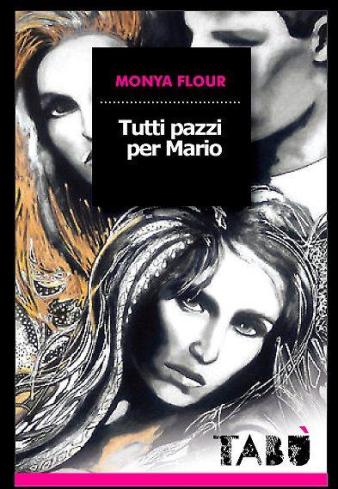
I explore book cover art as a visual threshold—where emotion, narrative, and design converge to invite the reader inward.
Commissioned Portrait: Kiara is a charcoal and graphite drawing that reveals quiet dignity through finely layered shading and composition.