

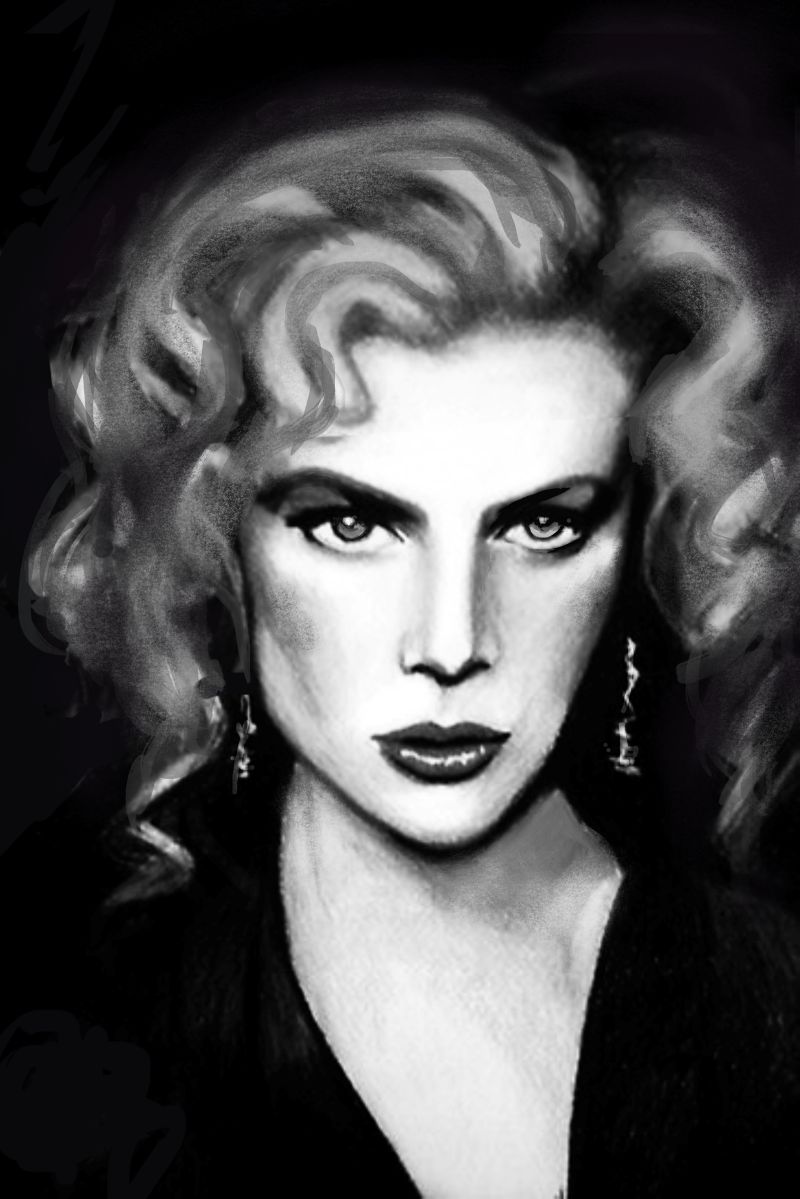
 Nicole by Lee Wilde
A cinematic portrait is more than a style — it’s a feeling. When people search for what makes a portrait cinematic, they’re really asking why certain images feel like stills from a larger story. The answer lives in emotional temperature, intentional light, and the quiet tension between moments.
The Feeling Comes First
Cinematic portraits work because they carry emotional weight. Before the viewer notices technique, they sense atmosphere: anticipation, stillness, intimacy, or unresolved tension. This emotional temperature is the foundation of what makes a portrait cinematic.
Light that Behaves like a Character
Cinematic light is motivated light — illumination that feels like it belongs inside the world of the image. A window. A lamp. A doorway. A streetlight. When light feels intentional rather than decorative, the portrait gains narrative depth.
Depth that Invites the Viewer in
Cinematic portraits create a sense of space around the subject. Shallow focus, layered shadows, or a background that hints at a larger world all help the viewer feel like they could step into the frame.
Colour or Monochrome with Purpose
Cinematic colour works when the palette follows emotional logic rather than saturation. Monochrome becomes cinematic when it amplifies mood — silence, tension, introspection. Colour becomes cinematic when it supports atmosphere rather than decoration.
A Subject Caught between Moments
The cinematic portrait avoids the fully posed look. Instead, it captures a subject in transition — thinking, turning, breathing, waiting. It’s the sense of almost that makes the image feel alive.
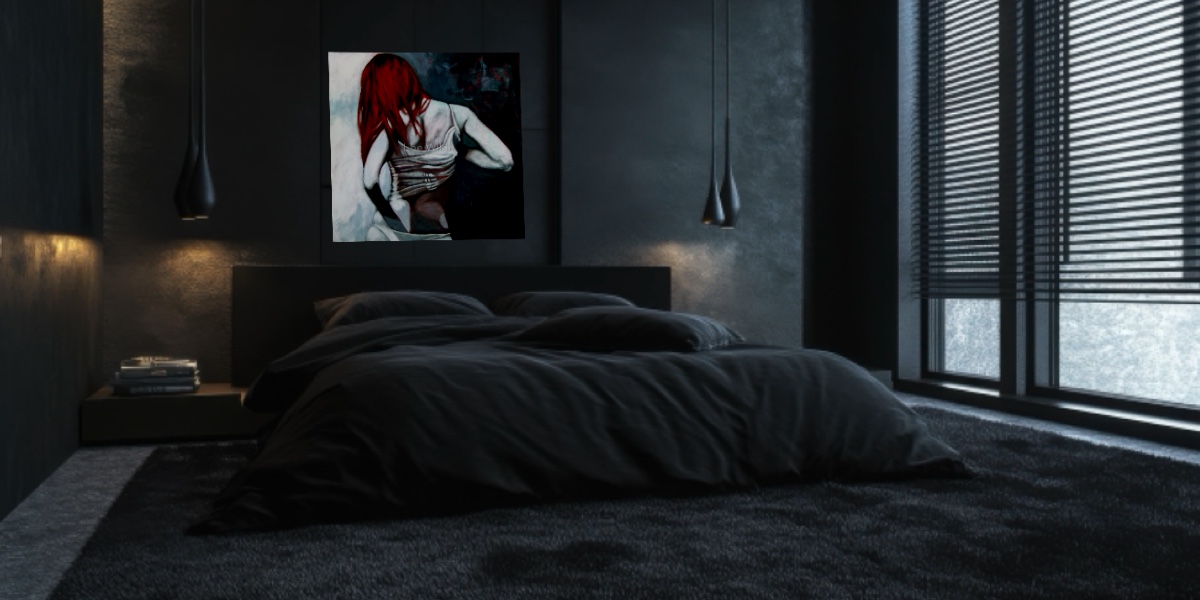
Why Designers Choose Cinematic Portraits
Designers choose cinematic figurative art because it shifts the emotional temperature of a room. It introduces narrative without noise. It creates stillness without emptiness.
This is why cinematic figurative work appears in living rooms, bedrooms, hallways, and creative spaces — it feels authored, intentional, and quietly dramatic.
Further Reading:
- Neo‑Noir Portraiture: The Art of Darkness and Emotional Tension
- The Emotional Temperature of Monochrome Figurative Work
- Why Designers Choose Figurative Art Over Photography