

Emotional realism in art is becoming a defining force in today’s creative landscape. Unlike photorealism or conceptual abstraction, it privileges the internal over the external—inviting viewers to engage with lived experience rather than surface accuracy. This shift is especially visible in contemporary portraiture, where the goal is no longer technical perfection but emotional truth.
In The Quiet Gaze: Contemporary Realism in Australian Portraiture, I explored how restraint, atmosphere, and psychological nuance shape the Australian realist tradition. That same sensibility underpins my broader practice and the philosophy behind Quiet Storms.

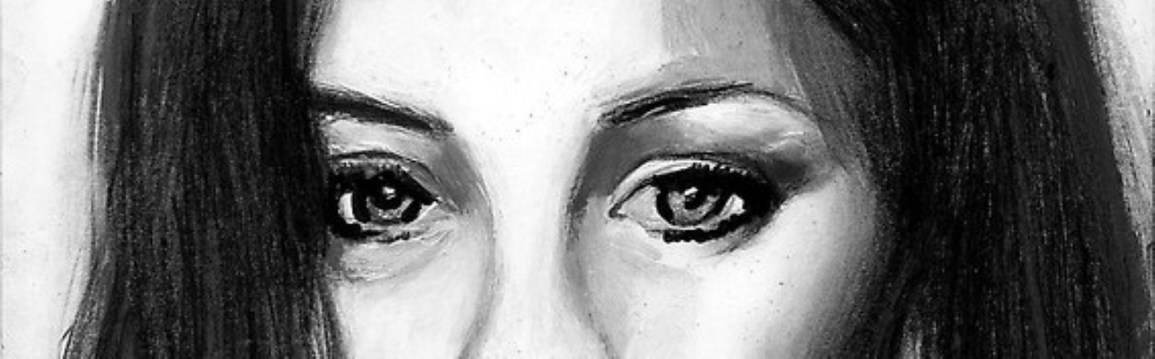
“Where Are You?” – A study in emotional absence, rendered in monochrome
Understanding Emotional Realism in Art
Emotional realism in art blends technical precision with psychological depth. It describes work that is visually grounded yet emotionally resonant—designed to evoke specific, recognisable human experiences. Where conceptual art often prioritises idea over feeling, emotional realism leans into narrative clarity, intimacy, and presence.
This approach has deep historical roots. Caravaggio’s The Death of the Virgin is a powerful early example of realism used to convey raw emotional states. Contemporary artists like Kelvin Okafor continue this lineage, creating portraits that combine meticulous technique with profound psychological charge.
Emotional realism is not defined by medium but by intent. Whether rendered in graphite, oil, or digital form, it bridges image and emotion—offering viewers a moment of recognition, reflection, and connection.
Key Characteristics of Emotional Realism
- Technical Mastery
Precision in rendering figures, surfaces, and light enhances emotional charge. - Narrative Depth
Realism becomes a storytelling tool, capturing moments that feel immediate and true-to-life. - Intimacy and Presence
The viewer enters the emotional space of the subject, experiencing the artwork as a shared moment. - Subjective Experience
Emotional realism foregrounds relatable human feelings—grief, longing, resilience—especially in portraiture.
Emotional Realism in My Practice
For me, emotional realism is not a technique—it’s a commitment. It shapes how I choose my subjects, how I render light and shadow, and how I title each piece. I work primarily in monochrome because it strips away distraction, allowing emotional nuance to surface. The absence of colour becomes a kind of presence—an invitation to focus on gesture, tension, and atmosphere.
Each portrait belongs to a larger thematic constellation. Some explore womanhood and vulnerability. Others interrogate cultural identity and emotional inheritance. All are grounded in lived experience and designed to resonate quietly but deeply with the viewer.
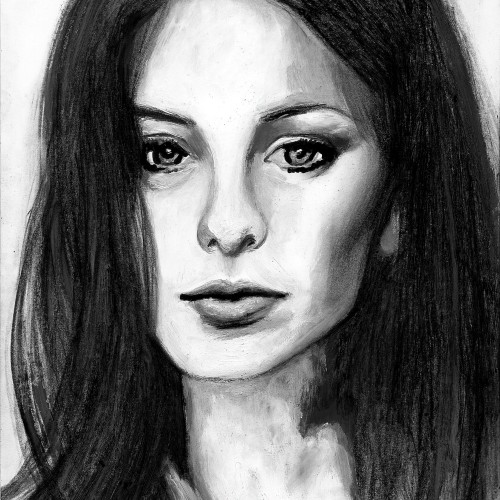
Another Sad Love Song by Lee Wilde
Case Study: “Another Sad Love Song”
Another Sad Love Song sits within a broader practice that values restraint, intimacy, and emotional truth. The portrait’s emotional realism lies not in dramatic expression but in subtle tension—the softness of the gaze, the unresolved quiet in the eyes, the way shadow and light trace the contours of memory.
The title, borrowed from Toni Braxton’s 1993 ballad, evokes the cyclical nature of romantic grief. It’s a nod to how heartbreak loops through time—how a song, a scent, or a glance can reopen what we thought was healed.
This work reflects my commitment to creating portraits that whisper rather than shout. They offer space for reflection, recognition, and connection. For collectors and curators seeking art that speaks to the emotional architecture of a space, Another Sad Love Song offers a moment of quiet resonance—bittersweet, familiar, and deeply human.
Why Emotional Realism Matters Now
In a world increasingly defined by abstraction—economic, political, and personal—emotional realism offers something rare: presence. It asks us to slow down, to feel, to witness. And in times like these, that invitation carries weight.
We are often reduced to metrics: productivity scores, engagement rates, quarterly targets. The cost of this detachment is emotional erosion—a quiet, cumulative loss of self.
Against this backdrop, emotional realism resonates. Not because it’s fashionable, but because it’s necessary. A portrait of grief or quiet joy becomes more than an image; it becomes a counter‑narrative, a refusal to flatten the human experience into data points.
This shift mirrors trends across other creative fields—music, literature, and film—where audiences are returning to work that feels human, intimate, and emotionally grounded.
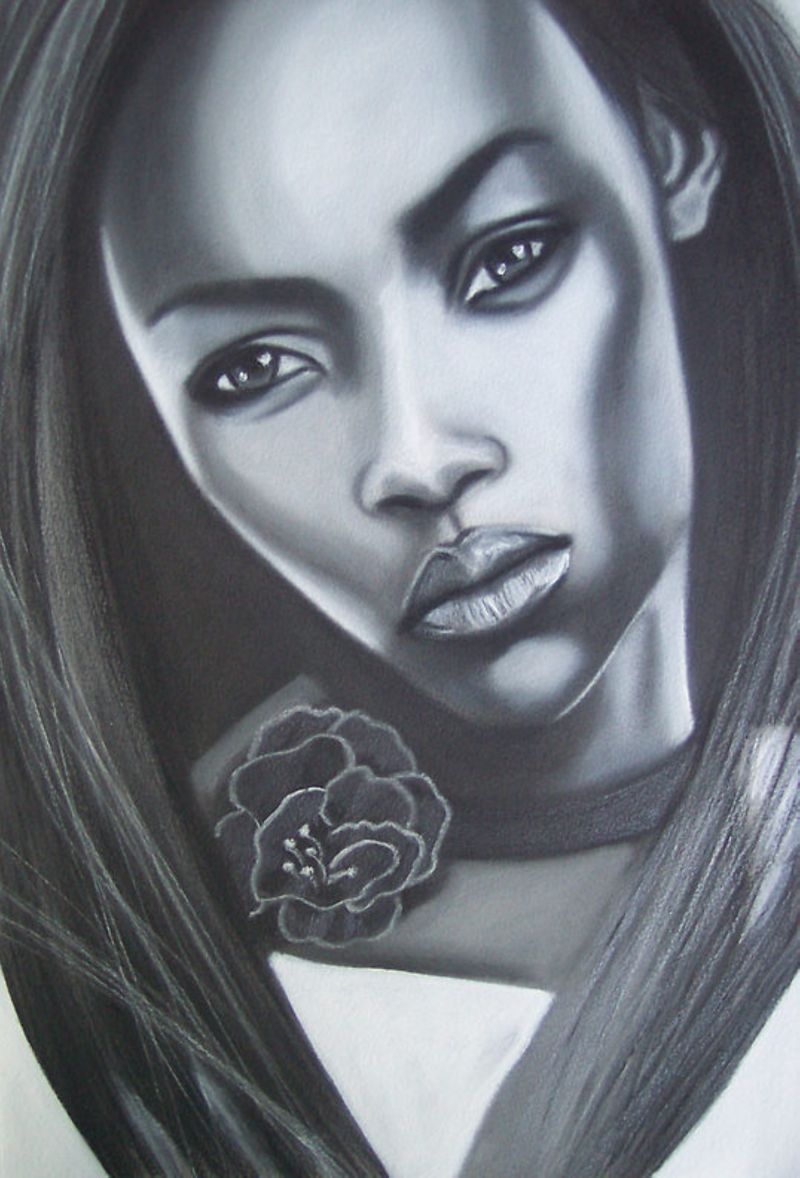
 Ashlyn, suspended between softness and structure—her quiet gaze invites stillness, memory, and pause.
Emotional Realism vs Photorealism: A Question of Intention
Though emotional realism and photorealism may appear similar—both marked by technical precision—their intentions diverge.
Photorealism seeks to replicate reality with exactitude. Detail is the destination.
Emotional realism, however, uses detail as a vehicle. Realism serves emotion. Every gesture, shadow, and expression is rendered to evoke a specific internal state. The goal is not duplication, but resonance.
This distinction matters for collectors and curators. Emotional realism offers connection, not just representation. It’s realism with a pulse—with presence.
Emotional Realism as a Growing International Trend
Across galleries, studios, and digital platforms, emotional realism is gaining momentum. In an era shaped by algorithmic aesthetics and cultural fragmentation, artists and audiences are returning to work that feels human—work that reflects emotional truth, not just visual polish.
Collectors and curators increasingly describe their selections in terms of emotional resonance, psychological depth, and narrative presence. Emotional realism fits seamlessly into this framework, offering artworks that are both technically accomplished and emotionally grounded.
For artists like myself, this shift is affirming. It validates a practice built on presence, restraint, and emotional truth.
Closing Thoughts: The Future of Emotional Realism in Art
Emotional realism in art matters because it reflects what many of us are quietly craving: authenticity, intimacy, and the permission to feel deeply in a world that often demands we don’t. It offers a way back to ourselves. And in the quiet space between viewer and subject—between gaze and recognition—something human is restored.
Emotional realism is not a trend. It’s a return to feeling, witnessing and honoring the complexity of being human in a time that often demands we be anything but. In my practice, emotional realism is the thread that binds everything. It shapes how I render a gaze, how I title a piece, and why I work in monochrome. These choices are philosophical and reflect a commitment to emotional truth over spectacle.
We live in a world that moves fast, flattens nuance, and often treats people as data points. Emotional realism resists that by slowing the viewer down, asking them to feel, and offering a moment of recognition in a landscape that rarely makes space for it.
For curators, stylists, and collectors, emotional realism offers more than visual cohesion—it offers emotional architecture. These works don’t just fill a wall. They hold space, invite reflection and become part of the atmosphere and story.
This essay is part of a series of thematic content exploring presence, identity, and emotional depth. If you’re drawn to this kind of work, I invite you to explore further: through portraits, reflections, and curated guides that map emotional realism across my studio practice. Because in the end, emotional realism is about choosing to feel, witness and be present.
Further Reading:
-
- Neo‑Noir Portraiture: The Art of Emotional Tension
- Dreaming is Free: Mapping Memory through Emotional Realism
- How Figurative Art Changes the Emotional Temperature of a Room
- Justify My Love: Why Intimacy Works in Monochrome Figurative Art
- Justin Bieber’s 2026 Grammys Performance – Portrait of Love
- Are You a Human? Could You Prove It If You Had To?