


How Sensual Figurative Art Alters Atmosphere
Sensual figurative art introduces a human presence into a space. Even in minimal interiors, a single portrait or gesture drawing shifts the emotional register. The room feels more grounded. The viewer feels a subtle psychological dialogue between the artwork and its environment.
Source: Tate Museum – What Is Figurative Art?
The Emotional Temperature Effect
Every figurative work carries an emotional temperature. Some pieces cool a room with restraint and quietness. Others warm it with intensity or intimacy. Designers use this temperature intentionally. A monochrome portrait can calm a living room. A bold figurative work can energise a hallway. The artwork becomes a tuning device for mood.
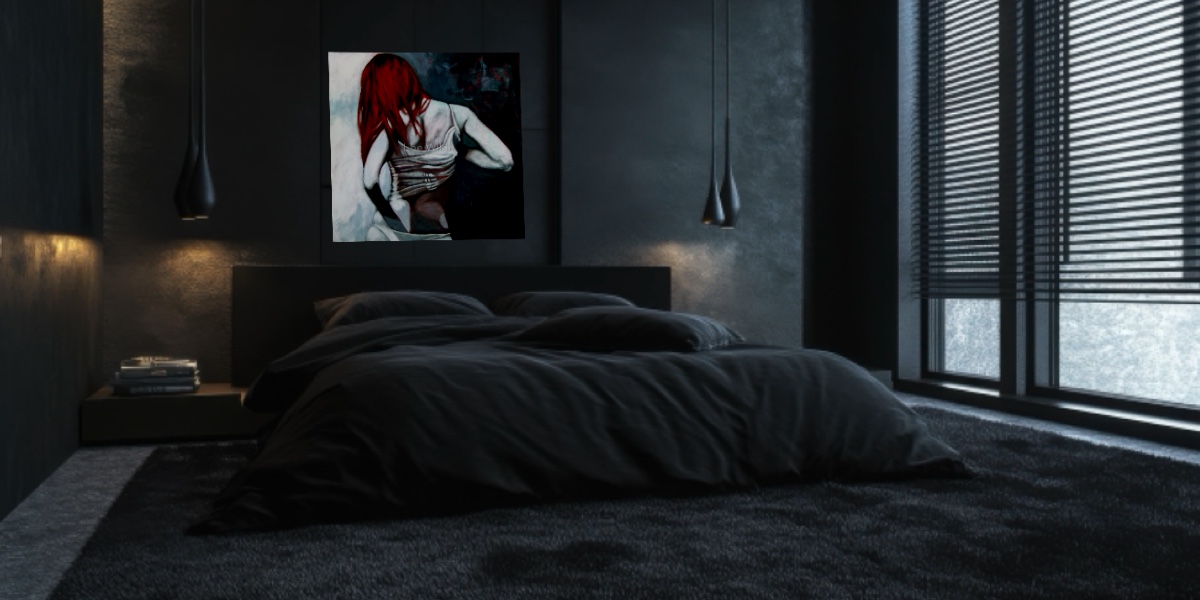
Why Designers Choose Figurative Art
Designers choose artworks that offer emotional clarity and communicate tone instantly, integrating well with contemporary interiors. Clean lines and neutral palettes benefit from the depth and humanity that figurative art provides. The artwork becomes a focal point without overwhelming the space.
How to Add Emotional Temperature to Your Own Interiors
Start by identifying the level of emotional temperature/intensity you want the room to hold. Choose works that match that intention. Monochrome pieces suit quiet, reflective spaces. Colour driven works suit energetic or expressive rooms. Scale matters. A large portrait can anchor a room. A smaller piece can create intimacy.
Figurative art shapes atmosphere with precision and emotional intelligence. This is why it remains central to contemporary interior design and why it continues to resonate with collectors and designers alike.
Further Reading:
- Neo‑Noir Portraiture: The Art of Emotional Tension
- Emotional Realism Article Hub
- Dreaming is Free: Mapping Memory through Emotional Realism
- Justify My Love: Why Intimacy Works in Monochrome Figurative Art
- Justin Bieber’s 2026 Grammys Performance – Portrait of Love
- The Rise of Emotional Realism in Contemporary Art
- Be Without You