

Last updated:
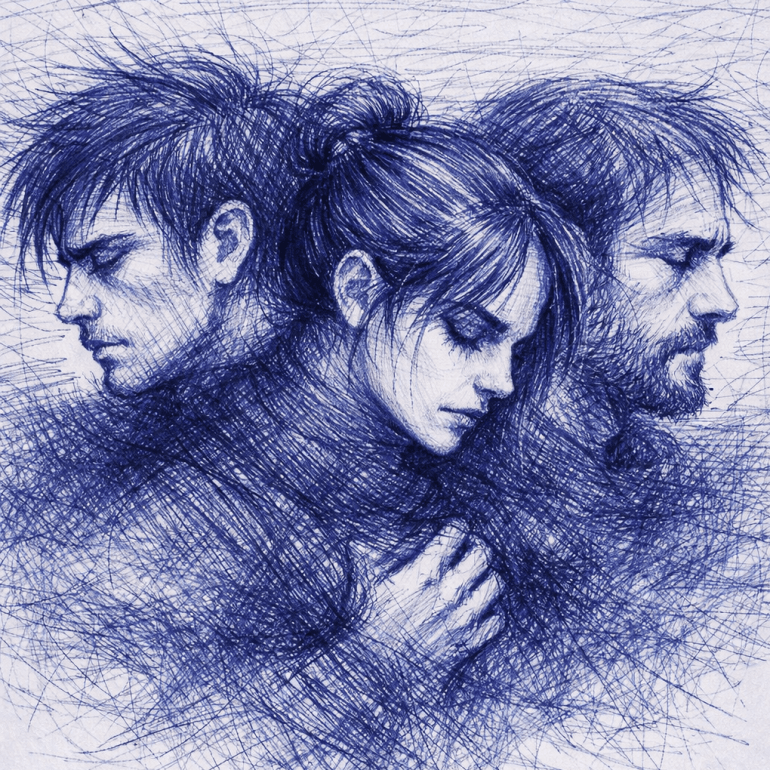
Blue ballpoint drawings have become a quiet power‑move in contemporary illustration. What looks like an everyday pen becomes, in the right hands, a precision instrument for tone, atmosphere and emotional realism. The medium’s limitations are exactly what make it compelling — no erasing, no soft blending, just pure line, pressure and intent.
Why Blue Ballpoint Drawings Work
-
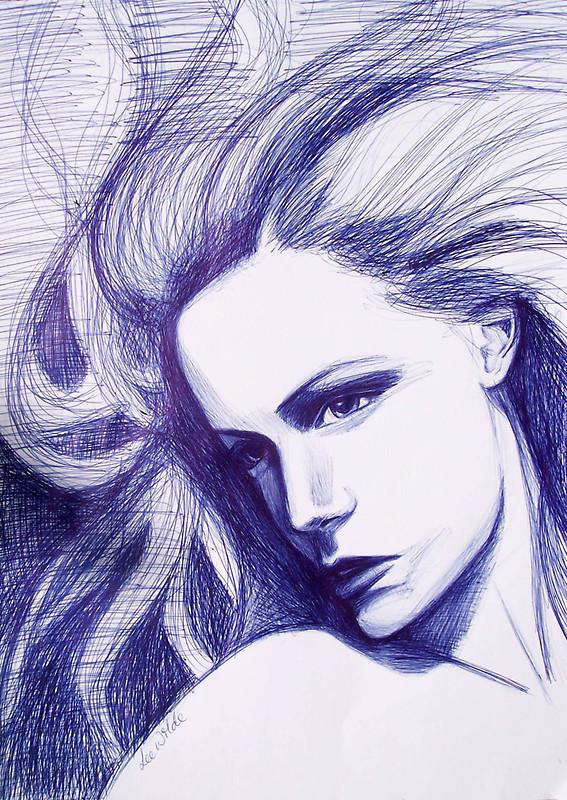 Blue ballpoint Drawing – Dreaming is Free by Lee Wilde
Unmatched tonal control — A single pen can shift from whisper‑light shading to dense noir blacks simply through pressure.
- A cinematic grain — The micro‑hatching creates a natural analogue texture that feels closer to film stills than digital illustration.
- Emotional immediacy — Because every mark is permanent, the drawing carries the tension of decision‑making. Viewers feel the presence of the hand.
- Everyday object, elevated — There’s cultural charm in transforming a cheap biro into a high‑authority art tool. It signals skill, not equipment.
Where Blue Ballpoint Drawings Shine
- Figurative studies with psychological depth
- Expressive portraits with noir or monochrome moods
- Surreal or dreamlike compositions built from layered line
- Editorial illustrations that need both clarity and grit
The Takeaway
Blue ballpoint drawings prove that mastery isn’t about expensive materials — it’s about control, restraint and the ability to turn a simple tool into a signature voice.
Further Reading:
- Neo‑Noir Portraiture: The Art of Emotional Tension
- Art Theory
- The Rise of Emotional Realism in Contemporary Art
- Dreaming is Free: Mapping Memory through Emotional Realism
- Are You a Human? Could You Prove It If You Had To?