


The Emotional Logic of Intimacy
Justify My Love sits in that rare space where desire becomes architecture. The song’s whispered tension mirrors the way monochrome figurative art holds a room — not loudly, but with a charged quiet. Intimacy becomes a design tool. Shadow becomes narrative. The viewer is invited into a moment that feels both private and deliberate.
Justify My Art – Why Monochrome Carries the Mood
Stripping colour away forces the eye toward gesture, contour, and emotional temperature. In the same way Justify My Love leans into breath, pause, and suggestion, monochrome figurative work relies on restraint. The absence of colour heightens presence. What remains is tone, texture, and the emotional realism that designers reach for when they want a room to feel grounded rather than decorated.
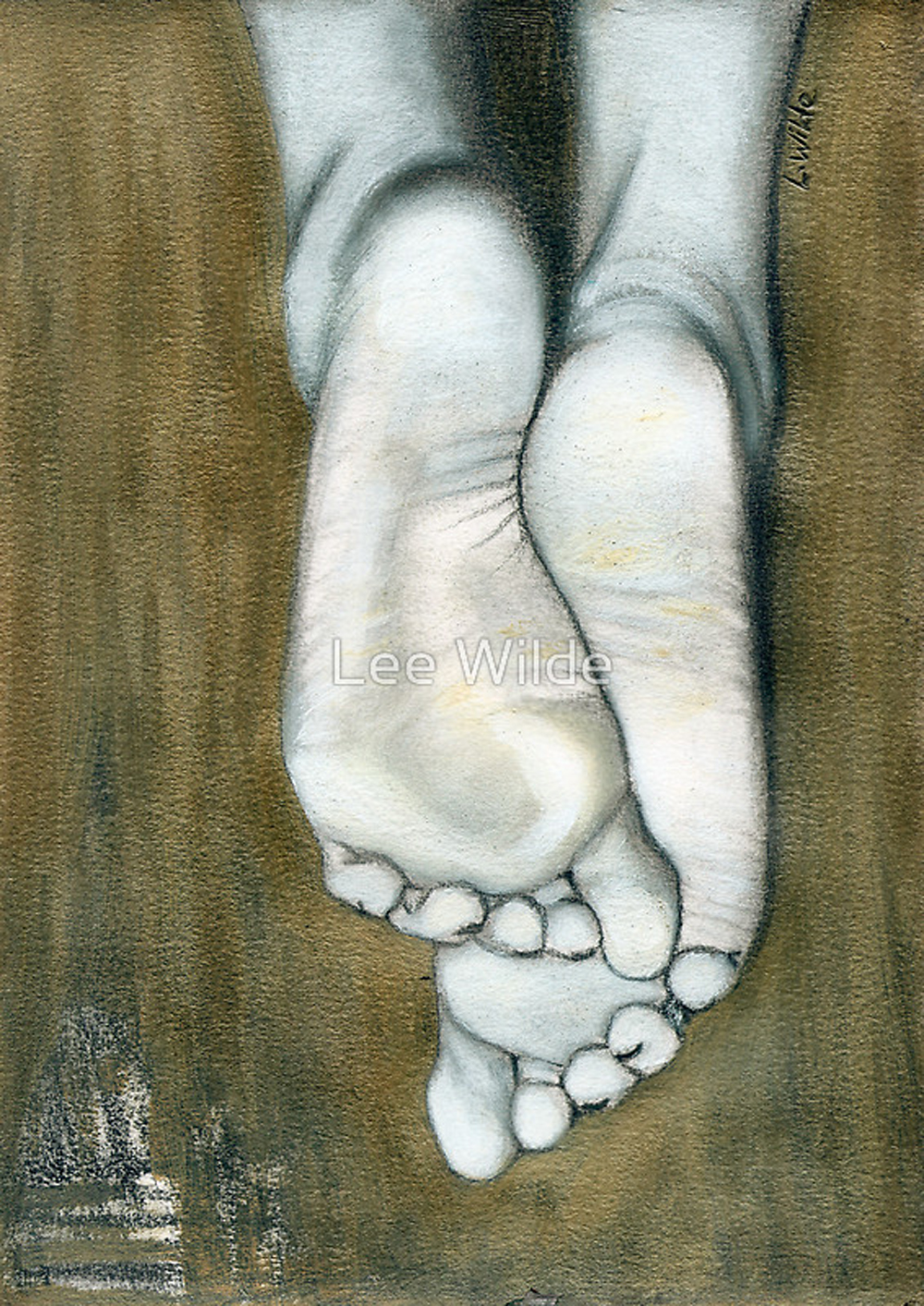 Justify My Love, by Lee Wilde, 2009
How Designers use Intimate Imagery

Designers often choose pieces with the same qualities that define Justify My Love:
- Controlled sensuality — atmosphere without spectacle.
- Shadow as structure — depth created through contrast, not clutter.
- Human presence — a focal point that feels lived‑in, not staged.
Placed in living rooms, bedrooms, or transitional spaces, these works create a soft gravitational pull.
The Power of Suggestion in Contemporary Interiors
Justify My Love is built on suggestion — the space between words, the breath before confession. Figurative art that operates in this register brings the same emotional architecture into a home. It introduces tension without chaos, warmth without sentimentality, and a cinematic stillness that elevates even the most minimal interior.
Why this Matters for Collectors
Collectors respond to emotional realism because it feels honest. A piece that carries the mood of Justify My Love offers something more than aesthetic pleasure — it offers a moment. A feeling. A pause. It becomes a quiet anchor in a world that rarely slows down.
Further Reading:
- Neo‑Noir Portraiture: The Art of Emotional Tension
- Emotional Realism Article Hub
- Dreaming is Free: Mapping Memory through Emotional Realism
- How Figurative Art Changes the Emotional Temperature of a Room
- Justin Bieber’s 2026 Grammys Performance – Portrait of Love
- The Rise of Emotional Realism in Contemporary Art