


A living art practice needs a stable digital studio. The work grows, the archive expands, and the ideas evolve. WordPress.com gives me a foundation that feels dependable, fast, and creatively supportive. I publish new sketches, essays, and figurative works without worrying about hosting failures or security gaps. The platform handles the infrastructure so I can focus on the art.
Online art loses its emotional weight when the platform underneath it feels fragile. A stable digital studio gives the work room to breathe.
VERDICT: WordPress.com gives my practice the stability and performance it needs to grow with confidence.
 Some days I upload a new sketch. Other days I revise an older essay or add a note to my inspiration log.
Why a Digital Studio Matters for Artists
Every artist working online needs a home that can hold the full weight of their creative life. A digital studio protects the work, supports the workflow, and gives the practice a sense of continuity. My site carries finished pieces, works in progress, editorial notes, and inspiration logs. WordPress.com keeps all of it organised and accessible. The platform becomes a quiet, reliable space where the creative process can unfold.
Hosting Quality and Performance
Speed shapes the viewer’s emotional experience. Figurative art loses impact when pages load slowly or images stutter into place.
My pages consistently load in under two seconds, even with large images.
WordPress.com’s global CDN and managed infrastructure keep my site fast for visitors anywhere. Performance tools help me understand how the site behaves and where improvements matter. The platform handles the technical load so the art can speak clearly.

Security, Backups, and Peace of Mind
A growing archive needs protection. Automated backups, security monitoring, and managed updates give me confidence that my work is safe. I can publish new pieces or revise older ones without worrying about data loss. The backup interface shows exactly what has been saved and when. This level of care supports a practice that evolves daily.
Knowing I can restore any version of my site removes the anxiety that often shadows digital publishing.
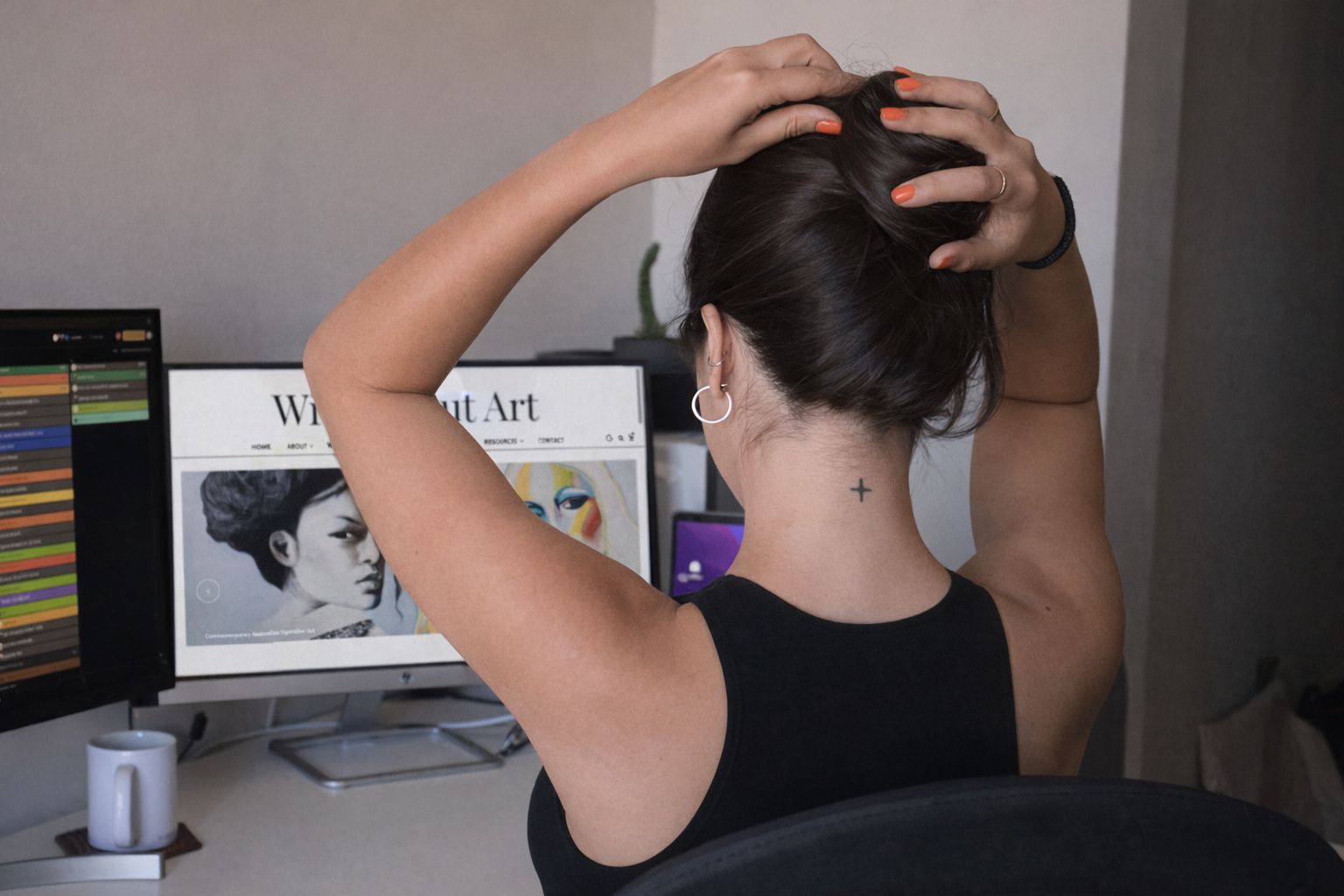 Knowing I can restore any version of my site removes the anxiety that often shadows digital publishing.
The Dashboard as a Creative Control Room
The WordPress.com dashboard is where I manage the entire ecosystem. I upload new artworks, organise categories, refine pages, and shape the editorial structure. The media library keeps my images accessible and easy to manage. The settings panel gives me control without overwhelming me. This environment supports both the artistic and editorial sides of my practice.
How This Supports the Rest of My Practice
A stable studio layer makes everything else possible. The gallery layer depends on fast, reliable hosting. The inspiration layer depends on a clean, organised editor. The growth layer depends on integrations that work without friction. WordPress.com gives me a foundation that supports each part of the practice without demanding technical attention.
Each layer depends on the one beneath it, and the studio layer is the anchor that keeps the entire practice coherent.
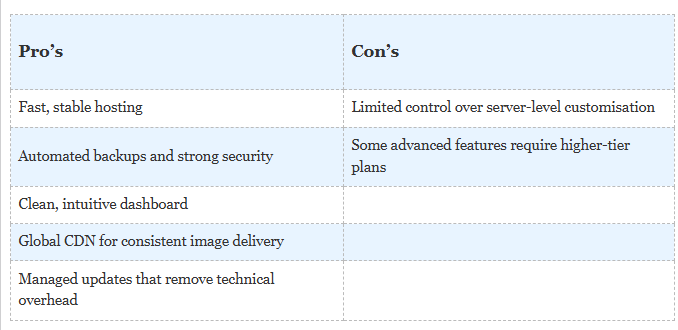

A living art practice needs a digital studio that can grow with it. WordPress.com gives me a foundation that feels steady, organised, and creatively aligned. With the studio layer in place, the next step is presentation.
Part 2 explores how I use themes, layouts, and visual tools to build a gallery that reflects the mood and tone of my figurative work.
Further Reading:
- Studio Notes
- Building an Art Practice with WordPress.com #2 – Galleries
- Building an Art Practice with WordPress.com #3 – Inspiration
Author
Lee Wilde is an Australian figurative artist and art writer working across monochrome, noir‑influenced portraiture and editorial illustration. Her practice blends studio work, writing, and digital publishing, with a focus on emotional realism and the psychology of image‑making.