
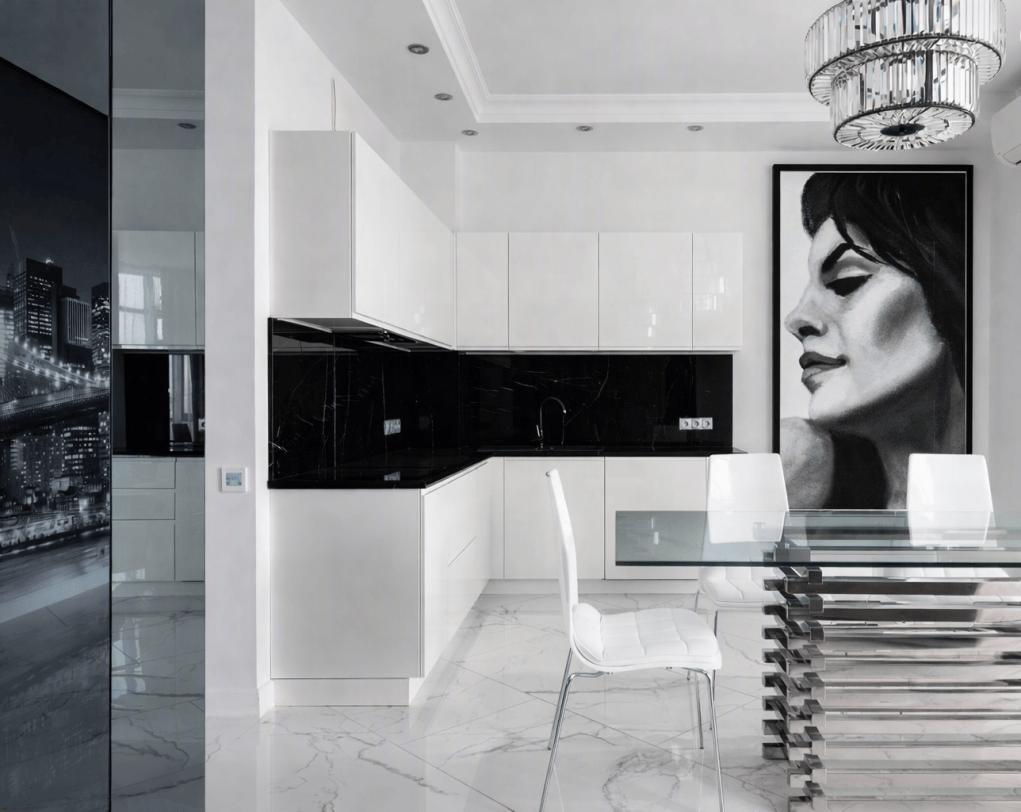

Contemporary interiors rely on art that can shift the emotional temperature of a room without overwhelming it. Emotionally realistic artwork does this with unusual precision. It carries atmosphere, nuance, and a quiet psychological charge that designers increasingly look for when shaping modern spaces.
Why Emotionally Realistic Artwork Matters in Modern Rooms
Emotional realism sits at the intersection of figurative clarity and expressive mood. These portraits feel inhabited. They hold tension, softness, or introspection in a way that becomes part of the room’s architecture. In minimal or design‑forward homes, this kind of work adds depth where surfaces are otherwise clean and controlled.
Designers use emotionally realistic artwork to create focal points that feel human rather than decorative. A portrait with tonal subtlety can soften hard materials, balance strong lines, or introduce a sense of presence in rooms that risk feeling too polished. The effect is atmospheric rather than literal. Viewers register the mood before they register the subject.
And for a deeper look at how figurative art shapes viewer perception, TATE offers an accessible overview of emotional realism in portraiture
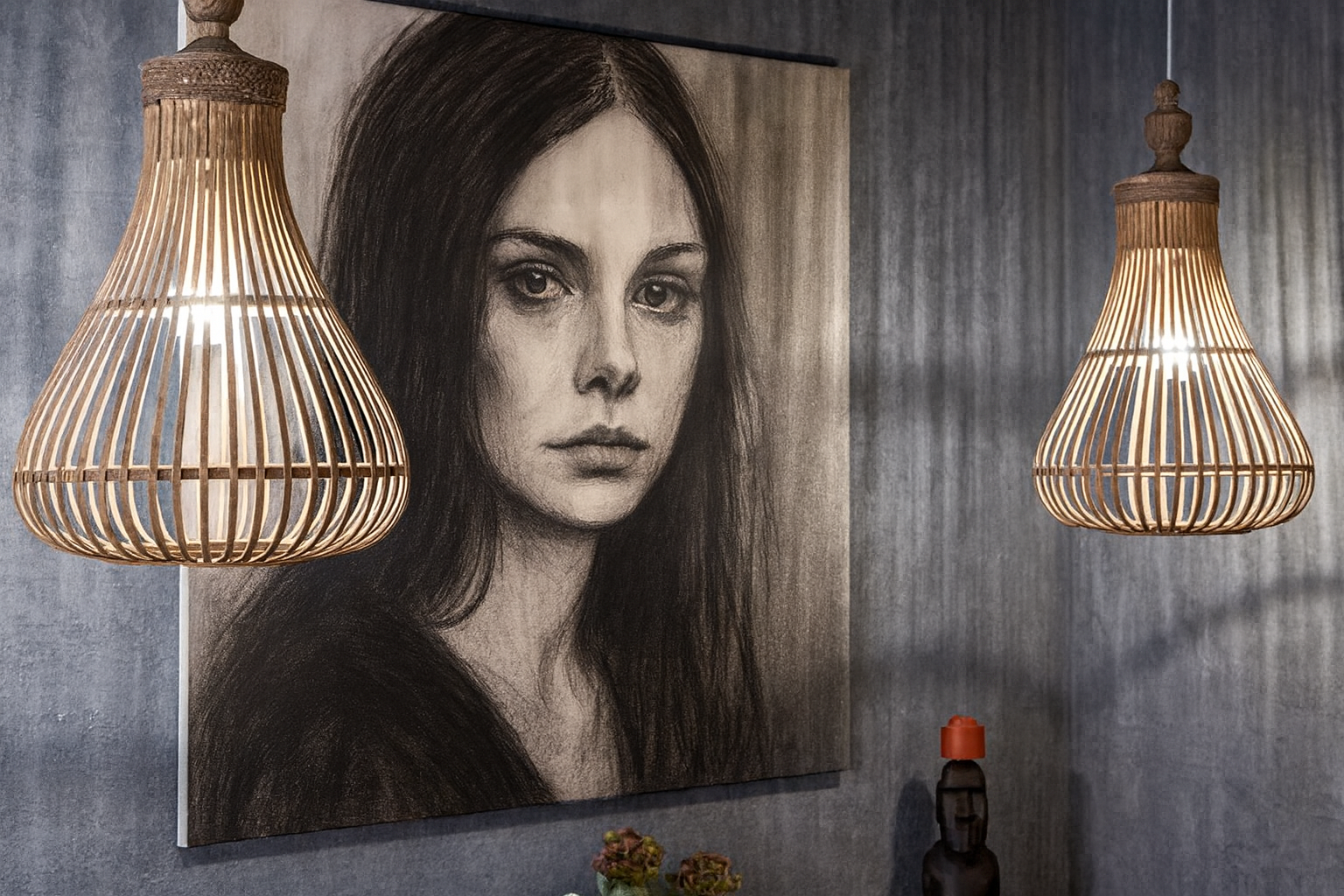
Explore my curated Saatchi Art Collection: Emotional Realism Portraits for Contemporary Homes
How Emotional Realism Shapes Interior Atmosphere
Scale plays a defining role. Large emotionally realistic portraits anchor living rooms and hallways, giving the space a cinematic stillness. Smaller works introduce intimacy in bedrooms or reading corners, where the emotional tone of the piece becomes part of the room’s private rhythm.
Collectors respond to this style because it feels honest. The work doesn’t shout. It lingers. It creates a moment of recognition that suits contemporary homes seeking art with psychological depth rather than surface‑level beauty.
To show how these ideas translate into real spaces, I’ve curated a selection of emotionally realistic portraits that demonstrate this interior effect across different moods and scales. Each piece shows how emotional realism can transform a room through presence, tone, and atmosphere.
Further Reading: