


This aesthetic is emerging as one of the most compelling intersections in contemporary design. For collectors, decorators, and interior designers, it offers a rare fusion of Art Deco’s architectural glamour and Film Noir’s psychological depth. In a design landscape increasingly shaped by mood, tone, and emotional resonance, this movement provides a language that feels both timeless and intensely modern.
Across Australia — from Sydney apartments to Melbourne townhouses and boutique hotels in Brisbane and Perth — designers are rediscovering the power of shadow, geometry, and cinematic atmosphere. This revival sits at the centre of that shift.
Why it Resonates in 2026
Interiors in 2026 are defined by moody luxury, textural depth, and cinematic stillness. This design language aligns perfectly with these shifts because it offers:
- Emotional atmosphere
- Architectural structure
- Photographic impact
Lighting
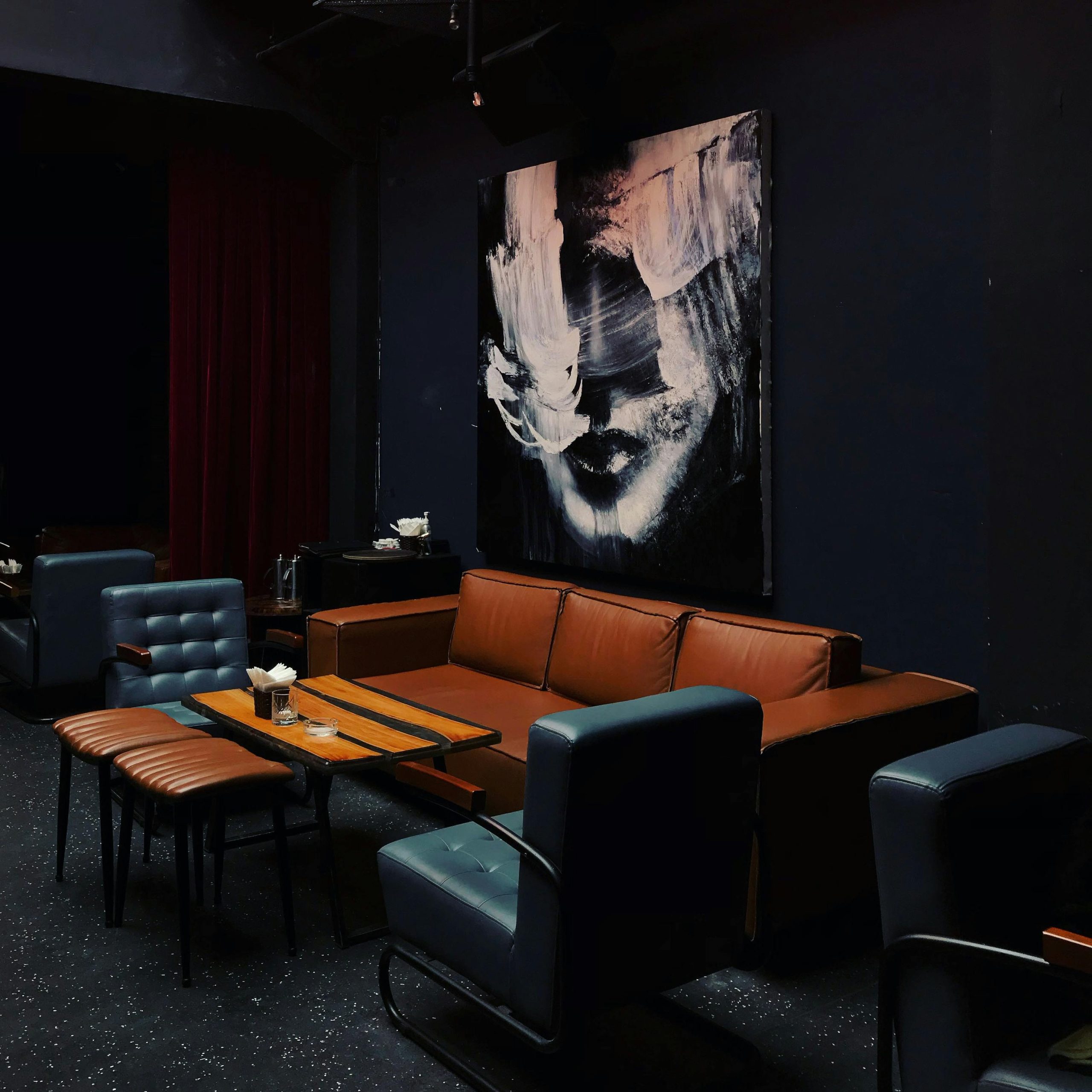
Lighting is the bridge between Deco and Noir — the point where glamour meets tension.
Art Deco lighting uses chrome, frosted glass, and sculptural forms to create radiance.
Film Noir lighting uses silhouettes, hard shadows, and directional beams to create psychological depth.
In practice, this becomes:
- uplights and wall sconces that cast dramatic shadows
- sculptural pendants with Deco geometry
- moody, low‑key lighting in living rooms and bedrooms
- high‑contrast lighting in boutique hospitality spaces
Lighting is where the style becomes not just a look, but a mood‑shaping tool.

Cinematic Interiors
Film Noir interiors were never just sets — they were psychological landscapes. Designers are increasingly drawing from this cinematic language to create spaces that feel intimate, layered, and emotionally charged.
Key principles shaping modern interiors include:
- negative space as emotional pause
- shadow as texture
- contrast as narrative
- stillness as luxury
This is why the aesthetic feels so contemporary: it prioritises emotional experience over decoration.
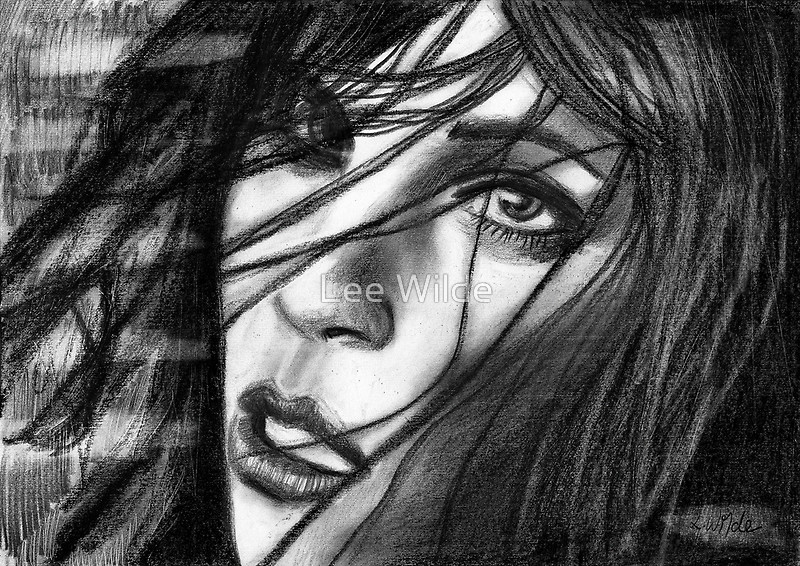 “Where Are You?” – A study in emotional absence, rendered in monochrome
Noir Portraiture
Noir portraiture — especially work grounded in emotional realism — is a natural companion to Art Deco interiors. It enhances:
- the glamour of Deco materials
- the depth of moody palettes
- the sculptural quality of lighting
- the psychological richness of a space
In homes and boutique hotels, designers are using noir artwork to anchor rooms, create focal points, and introduce narrative tension.
Current Revival
Several forces are driving the resurgence:
- renewed interest in heritage architecture
- the rise of moody luxury
- a shift toward cinematic storytelling in design
- the desire for interiors that feel intimate, atmospheric, and emotionally intelligent
This movement offers a way to honour the past while speaking directly to contemporary sensibilities.
How Designers use it Today
Practical applications include:
- pairing noir artwork with Deco lighting
- using black‑led palettes softened by warm metals
- incorporating curved Deco forms with shadow‑rich styling
- designing hospitality spaces with cinematic contrast
- layering textures to create emotional depth
For designers seeking a distinctive, high‑impact aesthetic, this approach offers a complete visual and emotional toolkit.
Conclusion
Deco Noir is more than a trend — it’s a design philosophy rooted in glamour, shadow, and emotional realism. For collectors and interior designers, it provides a powerful framework for creating interiors that feel cinematic, sophisticated, and deeply human.
As the appetite for atmospheric design continues to grow, this aesthetic will remain a defining force for years to come.