


Abstraction has dominated the contemporary art world for a long time. While its freedom and ambiguity have their place, a shift toward something more grounded and human is gaining momentum. Figurative art, with its vulnerability and presence, is finding renewed relevance. In my own work, I often return to the figure not just as a subject, but as a mirror. The human form allows emotion to surface in ways that abstraction cannot always achieve. Here’s why this shift matters and why it’s more than just a passing trend.
1. Figurative Art Trends and Representation
There’s a growing movement toward imagery we can identify with—faces, gestures, posture, even ordinary objects. It’s not about realism, necessarily, but recognition. People are seeking art that feels like a conversation, not just a concept. This kind of work doesn’t aim to impress—it invites connection. Figurative art offers a sense of memory and familiarity, grounding viewers in something they almost remember, even if they’ve never seen it before.
Art is there to help us live, and for no other reason.”
— John Russell, The Meanings of Modern Art
2. Relatability Matters More than Ever
Whether it’s a quiet sketch or a narrative drawing, the human figure has a way of drawing people in. There’s comfort in seeing something familiar, especially when the world feels increasingly unrecognizable. I often reach for graphite and charcoal to bring that sense of emotional clarity into focus. Their rawness—the way graphite whispers and charcoal smudges—adds layers of vulnerability and intimacy to each piece. These materials allow me to preserve ambiguity while still capturing the pulse of something deeply personal. In the grain of a shaded cheek or the blur of a reaching hand, memory and mood converge.
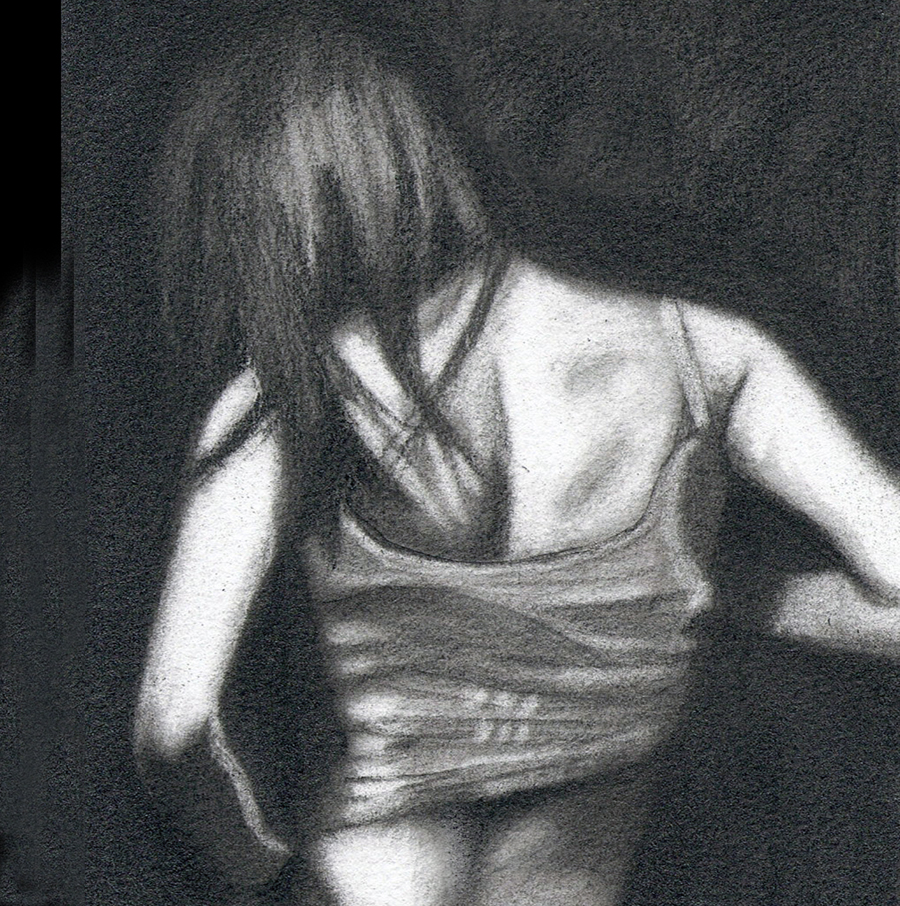 Mia en Noir, by Lee Wilde 2009 –Prints Available
3. A Response to Digital Saturation
Screens are everywhere. Our lives are flattened into scrollable timelines and pixelated feeds. Against that backdrop, physical, tactile art becomes a kind of rebellion. Figurative work slows people down. It asks for presence. Collectors are responding to traditional media now—they’re craving something intimate and imperfect.
Digital art moves fast. Figurative painting lingers.”
Michael Hebda, Artist
4. There’s Room for Every Style in Human- Centred Art
What’s exciting about this resurgence is its diversity. You’ll see everything from surreal, expressive figures to clean photorealism, collage work, and stylized abstraction—all under the figurative umbrella. Even in my own practice, I find myself leaning into distortion, absence, and identity rather than strict realism. The figure becomes a point of departure—not a final destination.
5. Figurative Artists Are Showing Up
It’s not just the big names. Emerging artists are fearlessly embracing figuration and layering it with fresh perspectives: gender, diaspora, neurodiversity, belonging. Established artists are reworking old ideas with new techniques. I feel honored to be part of this momentum. I see the figure not only as a subject, but as a metaphor—something that reminds us we’re still trying to understand ourselves and each other.
6. Trending and Resonating with Collectors
Let’s not ignore the fact that figurative art sells. Collectors—especially those newer to the art world—often feel drawn to work that communicates clearly. And institutions are taking note. Still, for me, this is secondary. I create to feel, to express, to connect. But it’s reassuring that there’s market support for work that invites emotional depth.
7. Figurative Art Speaks to Our Cultural Climate
Figurative work is engaging directly with issues that matter: mental health, identity, social justice, climate grief. It’s not just nostalgic; it’s timely. People want art that’s not only beautiful, but honest. As one curator recently told me,
“Aesthetic neutrality holds no interest for me. Everything I draw has intent.
Lee Wilde, Artist
 Glenferrie Road by Lee Wilde, 2009 – Prints Availabe
I am not drawing bodies, I am attempting to convey truth, feeling and tenderness. Each contour carries history; each gesture speaks to longing or joy.
Through the figure, we capture not just form, but the fragile complexities of being human.
This human-centered approach to art is reminding us how powerful the familiar can be when it’s rendered with care. And if that resonance continues to grow, I think we’ll see a deeper, more meaningful art world emerge from it.
Sources:
- John Russell — Art Critic and Historian
“Art is there to help us live, and for no other reason.”
Source: The Meanings of Modern Art, Vol. 3 - Michael Hebda on Figurative Art and Digital Culture
“Digital art moves fast. Figurative painting lingers.”
Featured in the 2025 article Back to the Body
Explore digital vs. tactile art - Artsy Editorial — The Rise of Contemporary Figurative Painting
Overview of figurative artists and emerging trends
Read on Artsy - Tate Modern — What Is Figurative Art?
Definitions and historical context for figuration
Visit Tate Modern - Juxtapoz Magazine — Figurative Artists to Watch
Artists engaging with mental health, identity, and social commentary
Discover on Juxtapoz - National Gallery of Victoria — Figurative Exhibitions Archive
Recent and past exhibitions focused on the human form
Explore NGV Exhibitions
Further Reading: