

Wall art is more than visual—it’s relational. This final post in our series explores how wall art invites presence and interpretation, turning the viewer from passive observer into emotional participant. Through gaze, placement, and subtle tension, each piece becomes a living dialogue.
The Viewer as Co-Creator
Wall art speaks, but only fully when someone listens. The viewer’s gaze completes the gesture. Their presence shapes the emotional tone of the room, transforming static imagery into shared experience.
This relational dynamic is not new. Art historians and philosophers have long explored the role of the viewer in meaning-making.
We never look at just one thing; we are always looking at the relation between things and ourselves.” John Berger, Ways of Seeing
In this way, wall art becomes a mirror. It reflects not only the artist’s intention but also the viewer’s emotional state, memory, and mood.
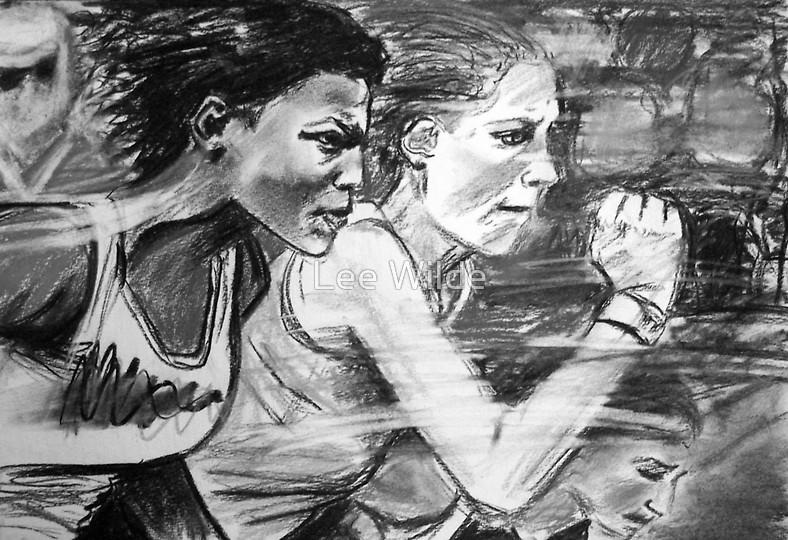
Emotional Presence
Curating wall art is an act of emotional architecture. Placement, lighting, and spacing guide how the viewer enters the moment. A drawing hung at eye level may feel direct. One placed lower might whisper. These choices invite stillness and interpretation.
Even the surrounding environment matters. Natural light can soften a piece, while shadow can intensify its mood. A solitary artwork on a blank wall may evoke contemplation. A cluster of images might suggest narrative or tension.
Interpretation as Emotional Architecture
Each viewer brings their own memory, mood, and meaning. A blurred figure may evoke longing in one person, unease in another. A quiet landscape might feel like home—or like absence.
This is how wall art invites presence and interpretation:
- It offers ambiguity, not answers
- It welcomes projection, not prescription
- It becomes a mirror, a question, a pause
Interpretation is not an afterthought—it’s the final layer of creation. The viewer becomes part of the artwork’s unfolding.
The Gaze That Completes
The viewer’s gaze is generative. It doesn’t just receive—it responds. This relational tension gives wall art its emotional depth. It breathes through the eyes of those who encounter it, becoming a living archive of evolving meaning.
Wall art lives in the spaces between image and gaze. It invites presence. It welcomes interpretation. And in that quiet exchange, it becomes something more than visual—it becomes experience.