
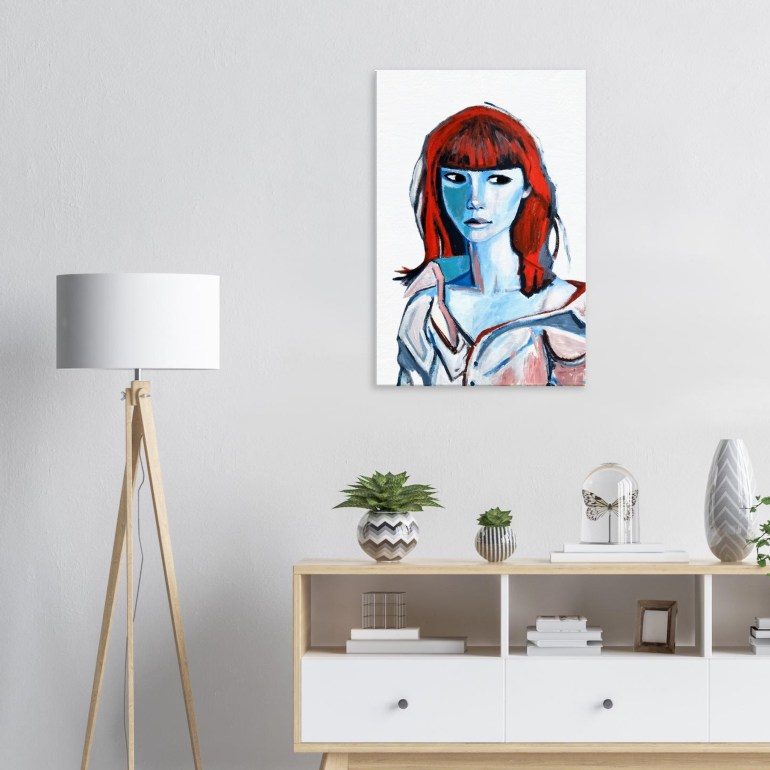

Wall art has always been central to interior design, but figurative art is now leading the conversation in 2026. Decorators and designers are embracing portraits, narrative canvases, and human-centered works to bring warmth and individuality into modern interiors. This figurative wall art trend reflects a deeper desire for spaces that feel personal, soulful, and emotionally connected.
Human Presence in Interiors
Figurative wall art introduces intimacy into a room. A portrait or narrative canvas grounds abstract design choices with human presence. Designers explain that clients want homes to feel like sanctuaries, places where art reflects their personalities. Transitioning from minimalism, figurative art adds warmth without overwhelming.
Balancing Minimalism and Expression
Minimalist interiors remain popular, yet figurative art offers a counterbalance. A single striking figurative piece can anchor a neutral space, adding narrative depth. This balance allows decorators to maintain clean lines while weaving in emotional resonance.
Storytelling Through Design
Interior designers are curating rooms as storyboards. Figurative works provide narrative threads that tie together materials, textures, and furnishings. Whether classical or contemporary, figurative art transforms interiors into spaces that tell stories.
Global Influence and Craftsmanship
From Milan Design Week to Sydney’s Pattern Studio projects, figurative art is appearing in curated interiors worldwide in 2026. Designers highlight artisanal craftsmanship and sculptural furniture alongside figurative works, creating layered spaces that feel both modern and timeless.
SEO Insight: Figurative Wall Art for Decorators
Search trends show rising interest in “figurative wall art for interior design” and “figurative paintings for decorators.” This reflects growing demand for art that personalizes interiors and resonates emotionally. For decorators, figurative wall art is not only a design choice but also a keyword cluster worth leveraging in 2026.
Figurative wall art in 2026 represents a return to storytelling in design. By integrating human presence and narrative depth, decorators and designers are creating interiors that feel alive, personal, and emotionally resonant. Whether through portraits, narrative canvases, or sculptural works, figurative art is shaping the future of interior design. Explore our figurative wall art collection or learn more about global interior design trends to see how this movement is unfolding.