


Below are the specific trends shaping practice and market attention in 2026–2027.
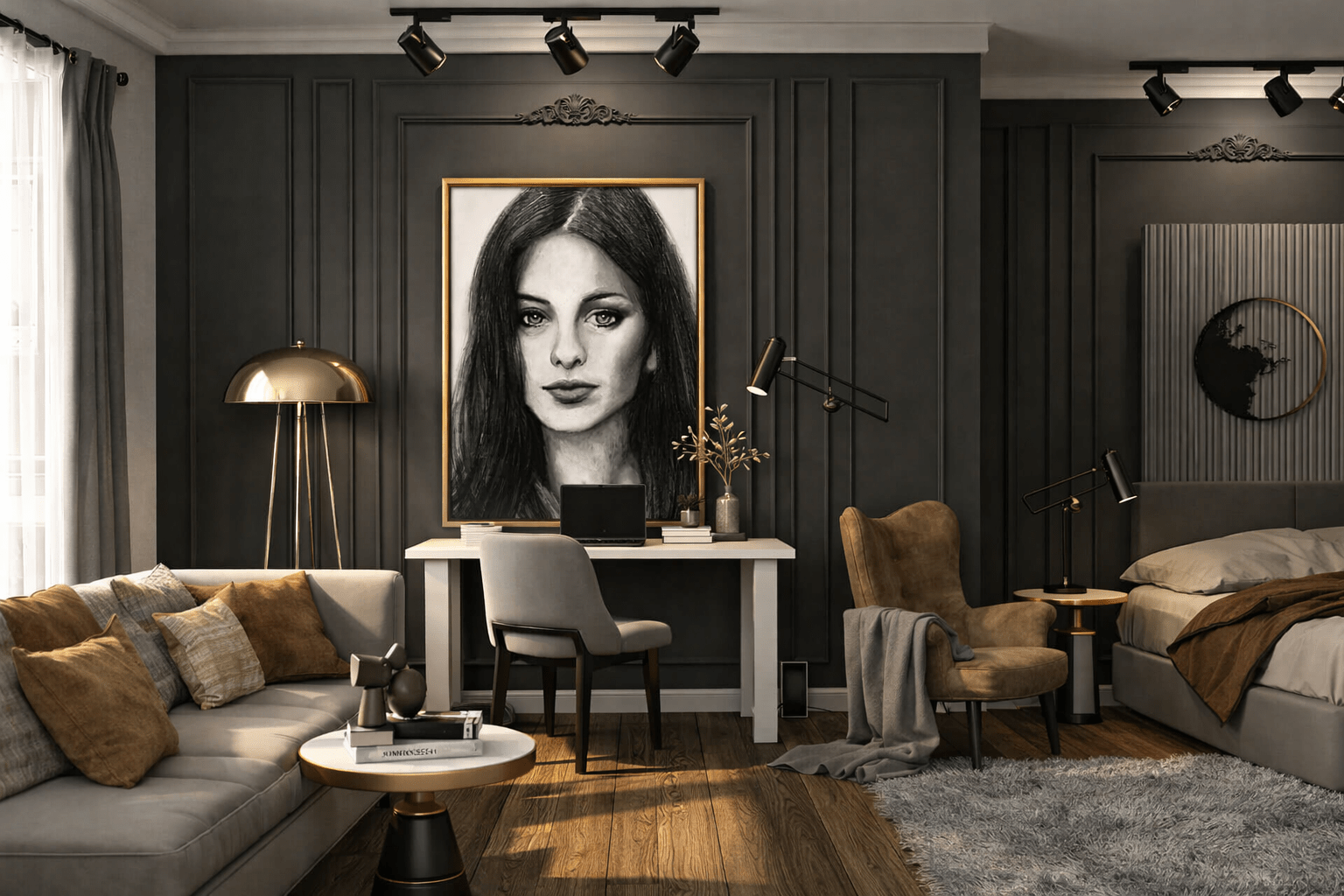
1. Emotional Realism and Cinematic Mood
Emotional realism in Australian figurative painting emphasises atmosphere over explicit narrative. Artists compose scenes that read like film stills: careful cropping, soft tonal transitions and restrained palettes create a sense of suspended time. light and gesture carry the emotional weight — a hand half‑raised, a turned head, a shaft of morning light — and these small elements accumulate to produce psychological presence. Across 2026 exhibition programs and prize seasons, critics and curators have repeatedly flagged work that privileges mood and interiority over spectacle.
This visual language translates well to both gallery and domestic contexts. Collectors appreciate emotional realism because it integrates easily into lived spaces: the work is intimate rather than confrontational, and its cinematic quality gives rooms a contemplative centre. For curators, the trend offers a through‑line between portraiture, interior studies and realist practice, allowing exhibitions to explore presence, memory and the ethics of representation in a single program.
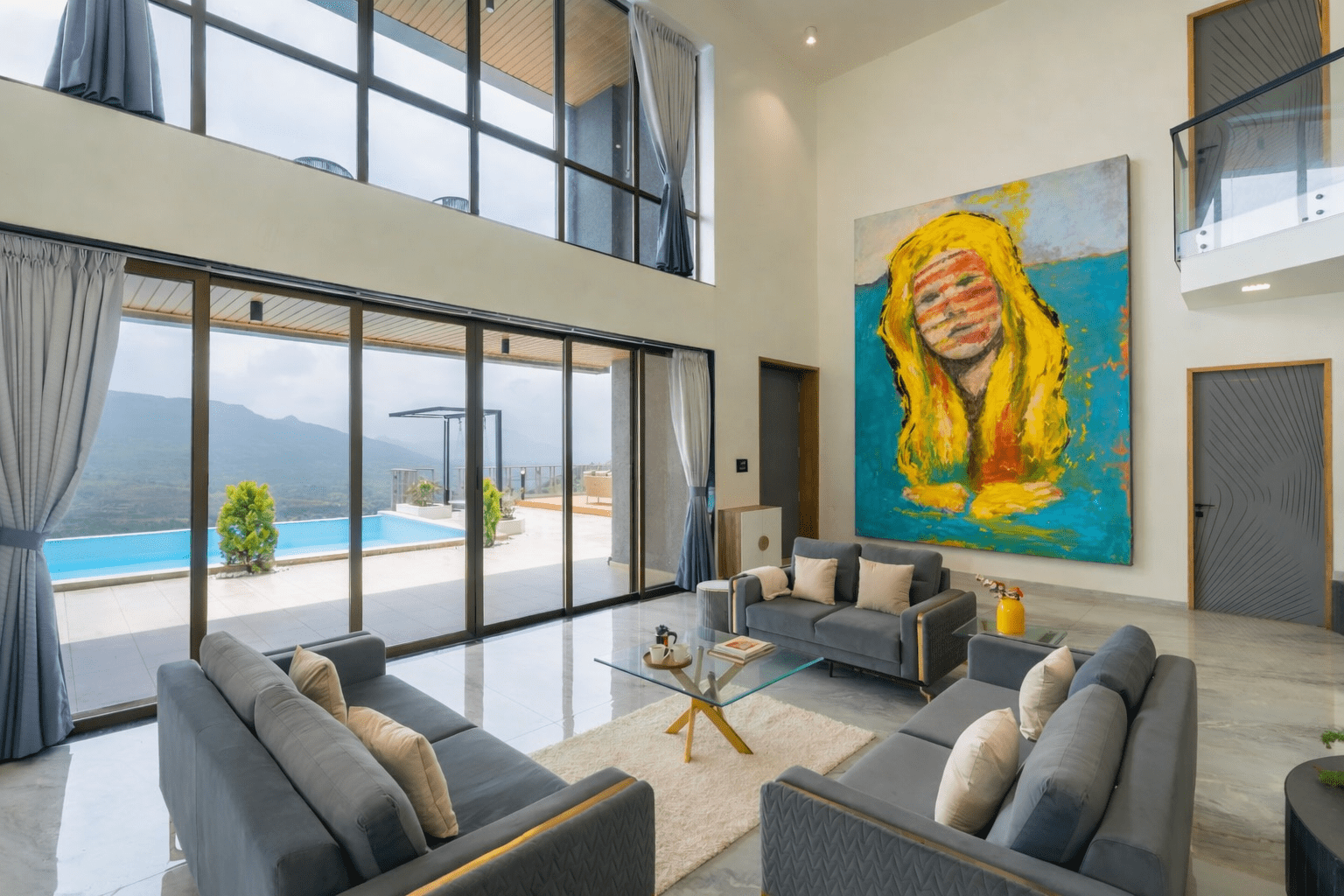 Lee Wilde’s Heat Waves anchors the Surreal and Symbolic Narratives trend — a vivid, introspective work that transforms a contemporary interior into a cinematic dreamscape.
2. Surreal and Symbolic Narratives
Surreal and symbolic figurative work is resurging as artists blend realist technique with dream logic to probe memory, identity and the unconscious. Figures merge with landscape, objects take on metaphorical weight, and scenes unfold with a quiet strangeness that invites interpretation. Exhibitions that trace Surrealism’s legacy alongside contemporary practice have helped bring this strand into focus, showing how symbolic figuration can be both formally inventive and conceptually dense.
Collectors who enjoy layered meaning increasingly seek series or bodies of work where motifs recur and symbolic resonance accumulates across multiple canvases. These works reward slow looking and repeat viewings; their value often grows as viewers discover recurring metaphors and formal strategies across an artist’s practice. For curators, surreal figurative narratives offer fertile ground for thematic shows that connect psychological inquiry with formal experimentation.
Source: The Contemporary Artists Keeping Surrealism Alive | Artsy
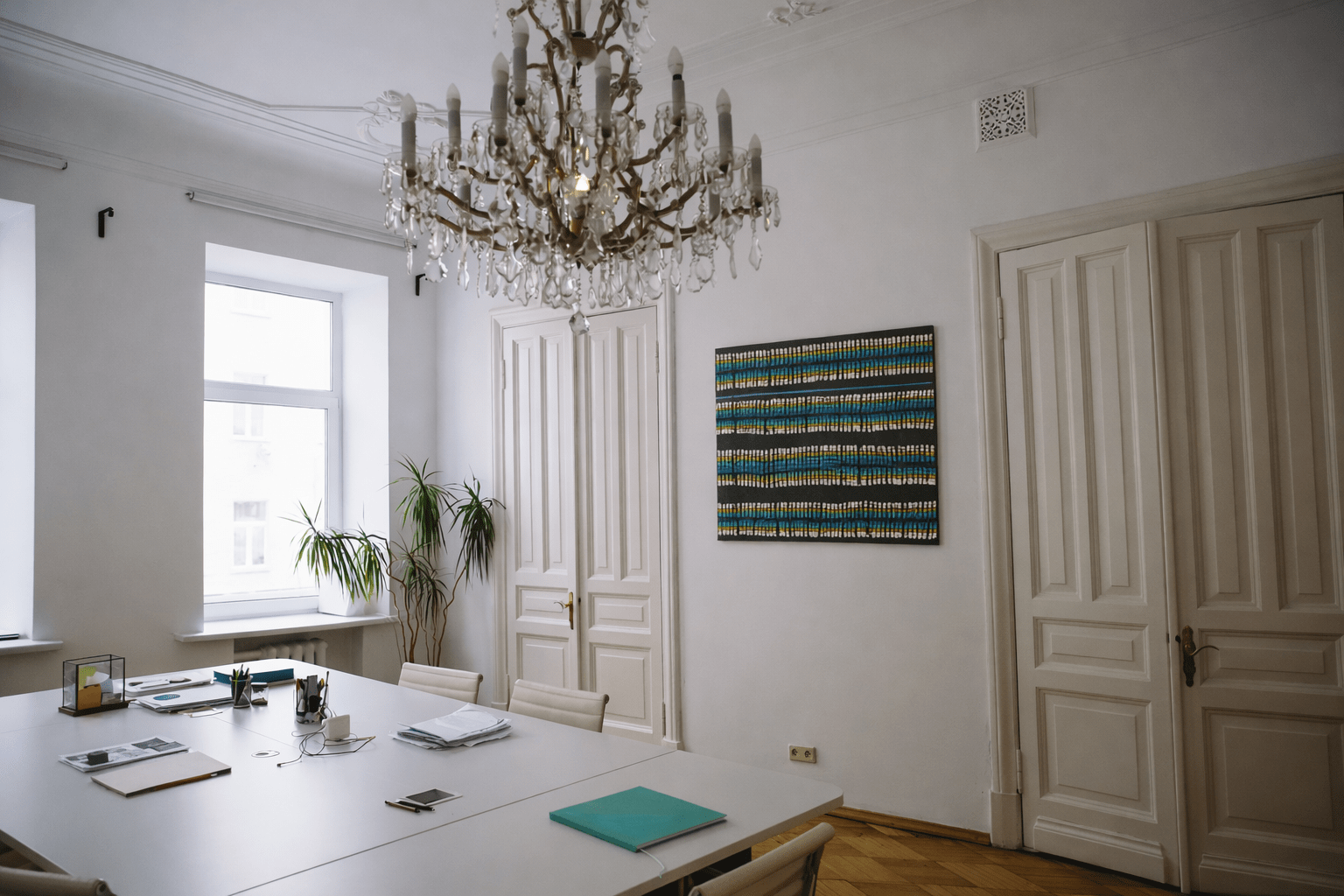 Saltwater Country by Anthony J. Walker (Yiman, Ghungalu, Gooreng peoples of Central Queensland) — shown here in a contemporary meeting space — embodies the Indigenous Storytelling trend within Australian Figurative Art Trends 2026–2027, connecting ancestral narratives to modern environments through rhythmic pattern and colour.
3. Indigenous Figurative Storytelling
Indigenous artists are reshaping figurative practice through culturally grounded portraiture, symbolic representation and artist‑led storytelling. This movement foregrounds Country, kinship and continuity, blending traditional knowledge with contemporary techniques. Institutional programs, awards and artist‑led platforms in 2026 have amplified First Nations voices and emphasised ethical presentation, provenance and community protocols — making Indigenous figurative storytelling one of the most vital currents in Australian art today.
For collectors and curators, engagement with Indigenous figurative work requires careful attention to context and artist‑led guidance. Provenance, community permissions and culturally appropriate framing are essential. When presented with respect and in collaboration with artists and communities, Indigenous figurative work offers profound narrative depth and a necessary corrective to colonial art histories.
Source: Art Gallery of South Australia – “Tarnanthi 2024”
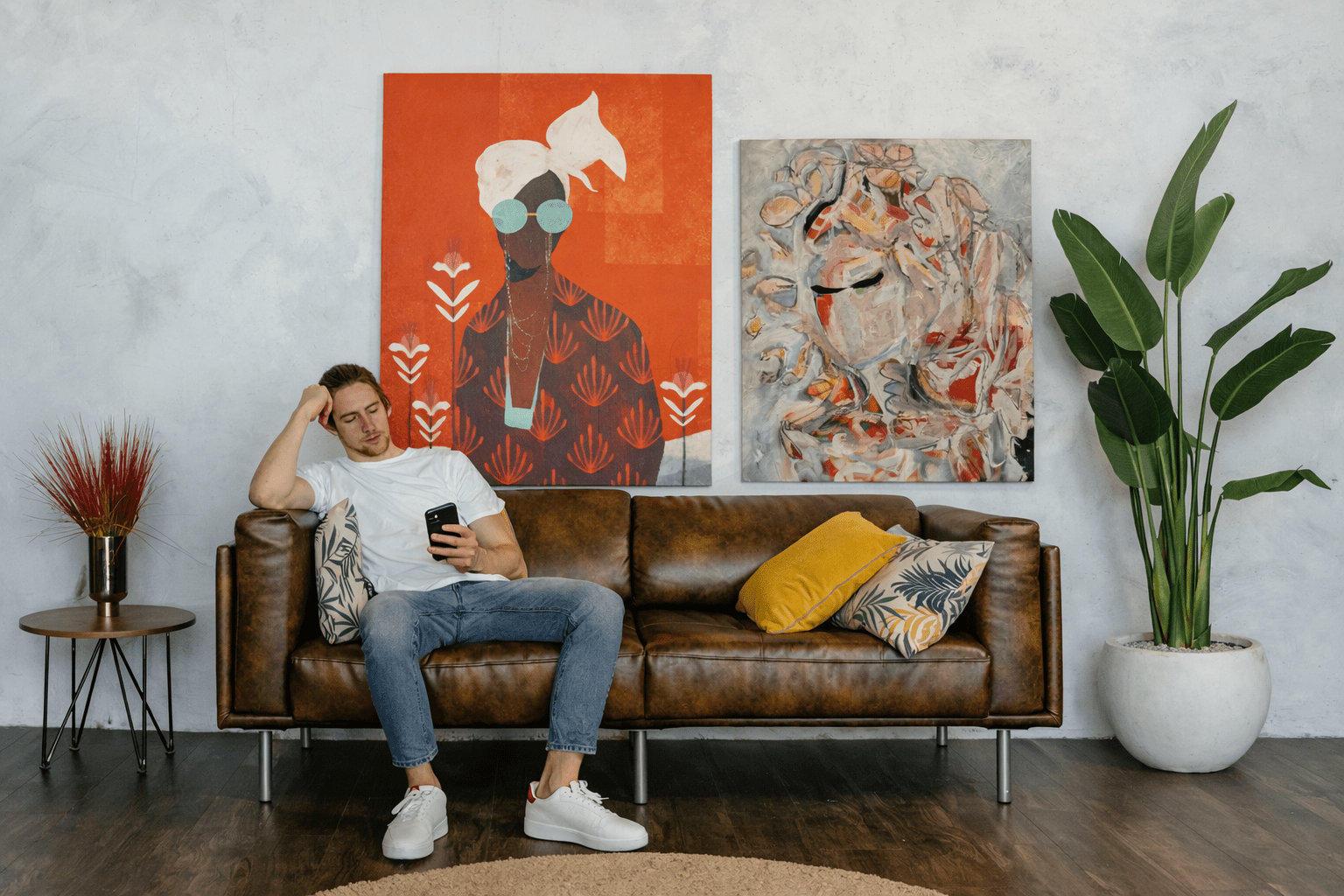 Autumn Sylph by Lee Wilde (on the right) joins a contemporary figurative piece in this interior, to reveal the psychological depth behind modern portraiture.
4. Expressive Portraiture and Identity Studies
Portraiture in Australia is moving beyond photographic likeness toward deeper explorations of identity, vulnerability and emotional presence. Artists are using loose brushwork, layered surfaces and gestural marks to convey psychological depth; the emphasis is on presence rather than perfection. Prize seasons and curated lists in 2026 show a clear appetite for portraits that prioritise emotional truth over technical exactitude, and online platforms are helping emerging portraitists reach buyers who want work that speaks to lived experience.
This trend intersects with broader cultural conversations about representation, mental health and the politics of visibility. portraits that foreground vulnerability — through texture, scale and painterly risk — invite viewers into a more empathetic encounter rather than a purely aesthetic one. For curators and collectors, expressive portraiture offers both market interest and critical resonance, especially when supported by thoughtful contextual materials.
Source: Art Gallery of NSW – Archibald Prize 2024 Finalists
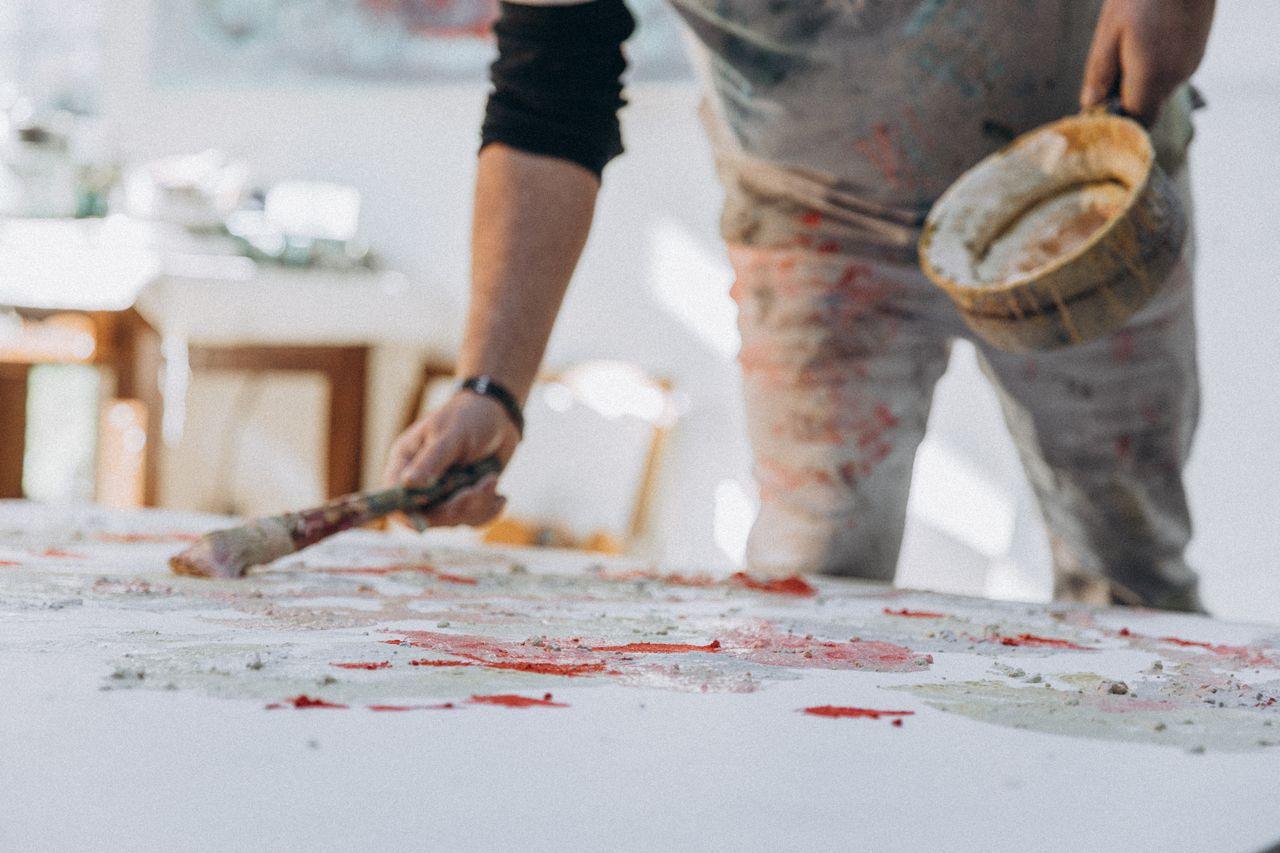 Studio detail: an Australian painter working with thick pigment and textured surfaces — a hallmark of the materiality trend.
5. Materiality and Surface Experimentation
Contemporary figurative painters are increasingly treating surface as a primary site of meaning rather than a neutral support for likeness. Thick impasto, scraped and reworked grounds, collage inserts, encaustic layers and visible repairs are being used to register time, gesture and memory in the surface itself; the facture of a canvas becomes a record of decision and emotion. These tactile strategies interrupt smooth illusionism and invite close, embodied looking — texture, abrasion and relief signal bodily presence and psychological intensity and the traces of making in ways that colour and line alone cannot.
This formal turn has practical and curatorial consequences. Textured works demand considered lighting, different framing choices and specialist photography to convey relief online; they also require conservatorial attention for shipping and display. For collectors and editors, material experimentation offers a sensory, tactile counterpoint to more polished realism and often carries conceptual weight when surface treatments are tied to themes of repair, trauma or cultural memory. As a trend, materiality both expands the expressive vocabulary of figurative art and reshapes how institutions, galleries and collectors present and preserve contemporary painting.
Further Reading: